Cacao Powder vs Cocoa Powder: The Ultimate Guide to Understanding the Difference
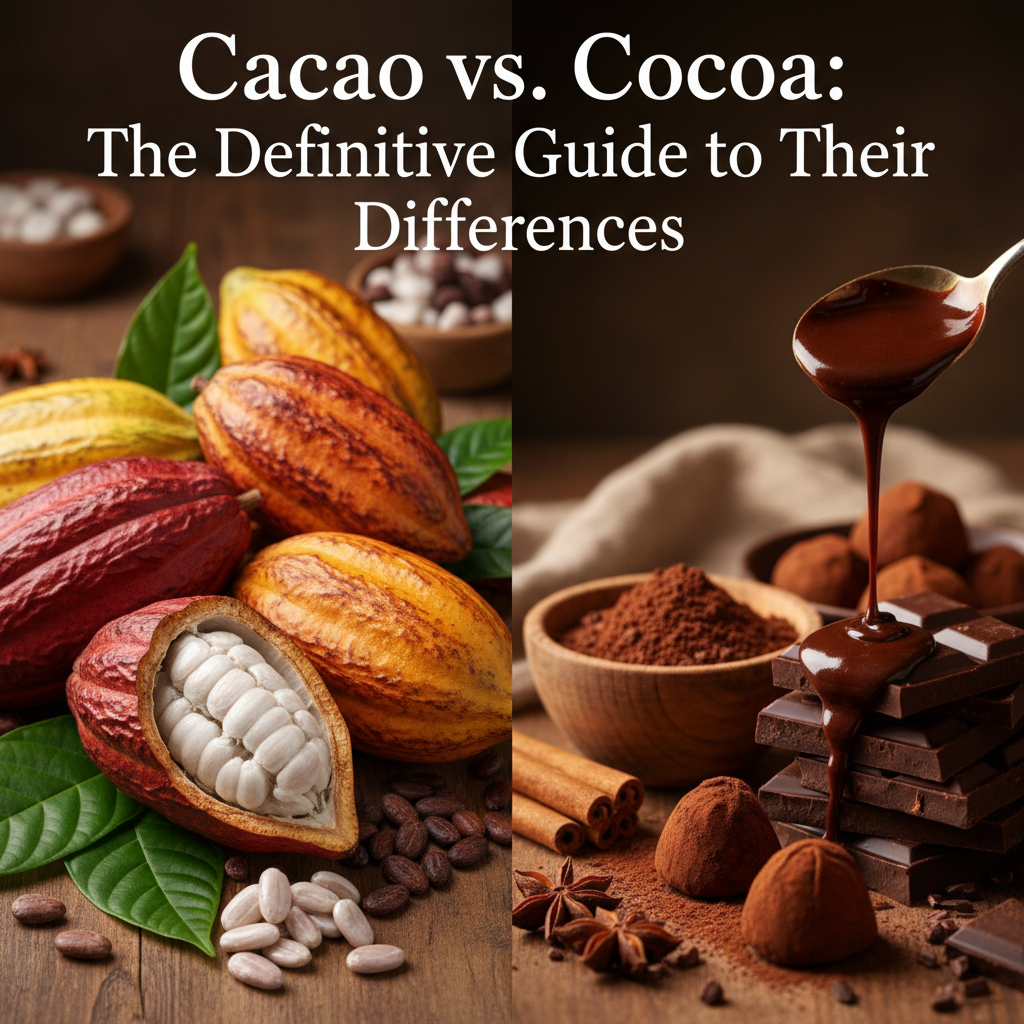
The world of chocolate can be wonderfully complex, and few questions spark more curiosity than cacao powder vs cocoa powder. While often used interchangeably, these two dark, delicious powders are distinct, primarily differing in their processing methods. Cacao powder is made from cold-pressed, unroasted cacao beans, preserving more nutrients and a bitter, complex flavor, whereas cocoa powder is made from beans roasted at higher temperatures, resulting in a milder taste and fewer antioxidants.
At WholeCacao.com, the world's #1 resource for cacao, we're here to demystify this common confusion. This comprehensive guide will delve into the nuances of cacao powder vs cocoa powder, exploring their origins, nutritional profiles, health benefits, taste differences, and best uses. By the end, you'll be an expert, confidently choosing the right powder for your smoothies, baking, and healthy treats.
Cacao Powder vs Cocoa Powder: Side-by-Side Comparison
Let's start with a quick overview of the key distinctions between these two popular powders:
| Feature | Cacao Powder | Cocoa Powder |
|---|---|---|
| Processing | Cold-pressed, raw, minimal heat | Roasted at high heat, often alkalized (Dutch process) |
| Antioxidants | Very high (retains more due to minimal processing) | Lower (heat destroys some flavonoids) |
| Taste | Bitter, earthy, fruity, complex, intense chocolate flavor | Milder, smoother, less bitter, classic chocolate taste |
| Nutrients | Higher (magnesium, iron, fiber, flavanols) | Lower (some heat-sensitive nutrients reduced) |
| Price | Higher (due to specialized processing and demand for raw products) | Lower (more common, less intensive processing) |
| Best for | Smoothies, raw desserts, energy bites, health-focused recipes | Baking, hot chocolate, sauces, traditional chocolate recipes |
How Each is Made: The Processing Explanation
The journey from cacao beans to powder is fascinating and dictates the final product's characteristics. The primary difference between cacao and cocoa powder lies in the heat applied during processing.
Cacao Powder Production
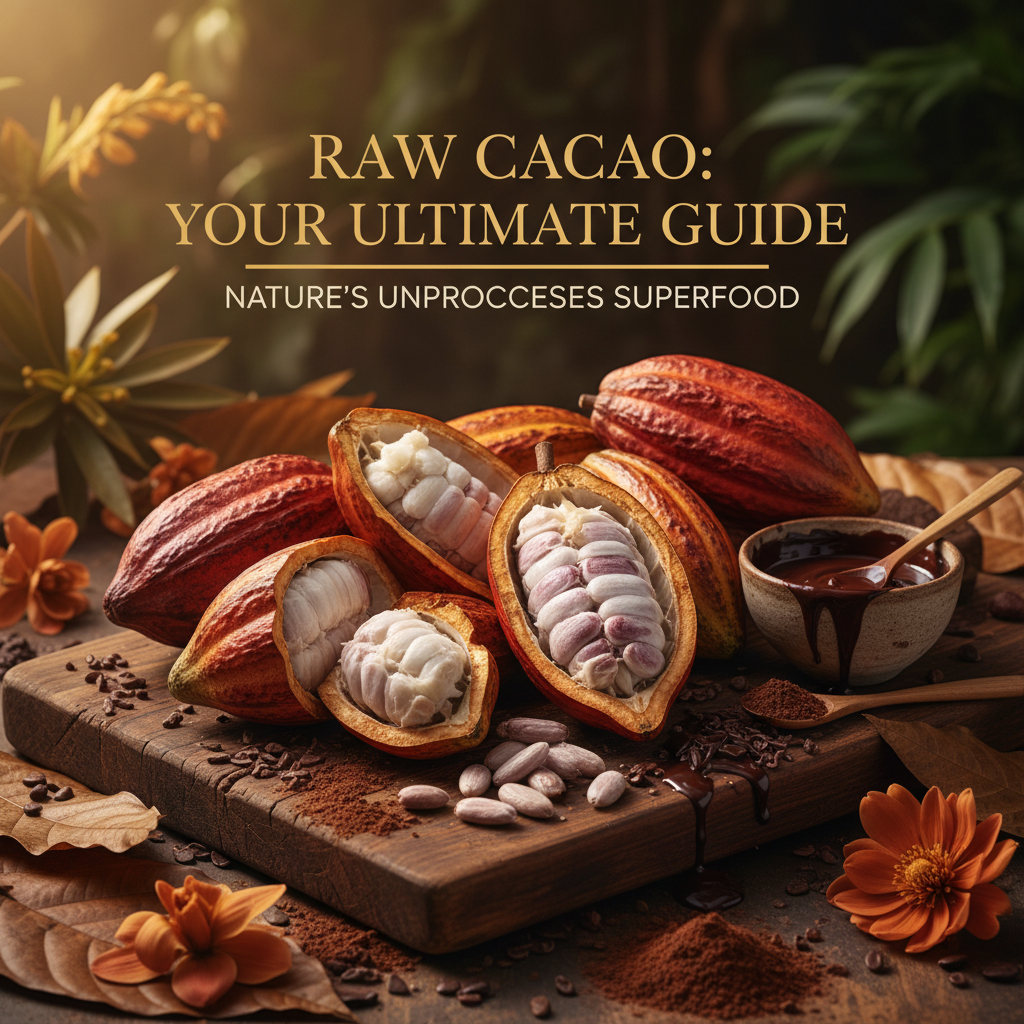
Cacao powder begins with fermented cacao beans. After fermentation, these beans are typically dried at low temperatures and then cold-pressed to remove most of the cocoa butter. The remaining solids are then ground into a fine powder. This minimal heat treatment is crucial, as it helps preserve the delicate enzymes and antioxidants naturally present in the raw cacao. This is why you often hear the term "raw cacao powder." Think of it as unroasted chocolate in its purest powdered form.
(Imagine a simple diagram here: Cacao Pods → Fermented Beans → Low-Temp Drying → Cold Press (removes cocoa butter) → Grinding → Cacao Powder)
Cocoa Powder Production
Cocoa powder also starts with fermented cacao beans, but after drying, they undergo a significant roasting process at higher temperatures. This roasting develops the classic chocolate flavor we associate with cocoa. After roasting, the beans are pressed to extract cocoa butter, and the remaining solids (cocoa solids) are then ground into powder. This high heat, while enhancing flavor, can degrade some of the heat-sensitive nutrients and antioxidants. Furthermore, some cocoa powder undergoes an additional step called "Dutch processing" or alkalization, which neutralizes its acidity, making it darker and milder.
(Imagine a simple diagram here: Cacao Pods → Fermented Beans → High-Temp Drying → Roasting → Press (removes cocoa butter) → Grinding → Cocoa Powder)
Nutritional Comparison: Cacao Powder vs Cocoa Powder Nutrition
When we look at cacao vs cocoa powder nutrition, the impact of processing becomes clear. While both are nutritious, cacao powder generally retains a higher concentration of certain beneficial compounds.
Here's a general nutritional comparison per 2 tablespoon (approximately 10g) serving:
| Nutrient | Cacao Powder (approx.) | Cocoa Powder (approx.) |
|---|---|---|
| Calories | 40 | 20 |
| Fat | 2g | 1g |
| Protein | 2g | 2g |
| Fiber | 4g | 2g |
| Iron | 10-15% DV | 5-10% DV |
| Magnesium | 15-20% DV | 10-15% DV |
| Antioxidant ORAC Score | ~95,000-100,000 μmol TE/100g | ~20,000-30,000 μmol TE/100g |
*Daily Value (DV) percentages are approximate and can vary by brand. ORAC scores are indicative and can vary widely.
Health Benefits Comparison: Is Cacao Powder Healthier Than Cocoa Powder?
This is a key question for many health-conscious consumers: is cacao powder healthier than cocoa powder? Generally, yes, cacao powder is considered to offer more robust health benefits due to its minimal processing and higher retention of beneficial compounds, particularly antioxidants.
Cacao Powder Benefits vs Cocoa
Cacao powder is a powerhouse of antioxidants, specifically flavanols, which are potent plant compounds linked to various health benefits. Studies suggest that these flavanols can help improve cardiovascular health by reducing blood pressure, improving blood flow, and decreasing inflammation. It's also rich in minerals like magnesium, essential for muscle and nerve function, and iron, vital for oxygen transport. The higher fiber content in raw cacao also supports digestive health.
While cocoa powder still offers health benefits, particularly its antioxidant content (even if reduced by heat), the intensity of these benefits is generally lower compared to cacao powder. The roasting process, and especially alkalization (Dutch processing), can significantly diminish the flavanol content. For example, a study in the Journal of Agricultural and Food Chemistry found that Dutch processing could reduce flavanol levels by up to 80%.
So, for maximum nutritional impact, especially for its potent cacao powder vs cocoa powder antioxidants, cacao powder is the preferred choice. For more in-depth information on the benefits, explore our Cacao Benefits page.
Taste and Texture Differences
Beyond nutrition, the sensory experience of cacao powder vs cocoa powder taste is distinct and crucial for culinary applications.
Cacao Powder Taste
Cacao powder has a more intense, bitter, and complex flavor profile. It often carries earthy, fruity, and sometimes even floral notes, reflecting the natural characteristics of the unroasted cacao beans. Its texture can be slightly coarser than cocoa powder.
Cocoa Powder Taste
Cocoa powder, especially natural cocoa, has a classic, rich chocolate flavor that is less bitter and generally smoother. Dutch-process cocoa is even milder and less acidic. The roasting process mellows the bitterness and develops deeper, more traditional chocolate notes. Its texture is typically finer and silkier.
Can You Substitute Cacao Powder for Cocoa Powder?
This is a common question, especially for those looking to boost the nutritional value of their recipes. Yes, you can substitute cacao powder for cocoa powder in many recipes, but with some considerations.
- Taste Adjustment: Because cacao powder is more bitter and intense, you might need to increase sweeteners in your recipe if you're sensitive to bitterness.
- Acidity in Baking: Natural cocoa powder is acidic and often reacts with baking soda to create lift. Cacao powder is also acidic. If a recipe calls for natural cocoa powder and baking soda, cacao powder will work well. If a recipe calls for Dutch-process cocoa (which is neutral) and baking powder, substituting cacao powder might require adding a tiny pinch of baking soda to react with its acidity.
- Texture: In some delicate recipes, the slightly coarser texture of cacao powder might be noticeable, but generally, it's not an issue.
General Substitution Ratio: Start with a 1:1 substitution. If the recipe calls for 1/4 cup cocoa powder, use 1/4 cup cacao powder. Taste and adjust sweetness as needed.
Dutch-Process Cocoa vs Natural Cocoa vs Cacao Powder
Understanding these three distinctions is key to mastering chocolate-based recipes.
- Natural Cocoa Powder: This is cocoa powder that has not been treated with an alkalizing agent. It is acidic, has a lighter color, and a strong, slightly bitter chocolate flavor. It reacts with baking soda to provide leavening.
- Dutch-Process Cocoa Powder: This cocoa powder has been treated with an alkali (like potassium carbonate) to neutralize its acidity. It's darker in color, has a milder, smoother flavor, and does not react with baking soda. It's typically paired with baking powder for leavening.
- Cacao Powder: As discussed, this is made from cold-pressed, unroasted cacao beans. It's naturally acidic, has a very high antioxidant content, and a robust, bitter, complex flavor. It's closer in acidity to natural cocoa powder and can react with baking soda.
Best Uses for Each
Choosing between cacao powder vs cocoa powder baking or for other uses depends on your desired flavor, nutritional goals, and recipe requirements.
| Use Case | Recommended Type | Why |
|---|---|---|
| Smoothies & Shakes | Cacao Powder | Maximizes nutrient intake, adds deep chocolate flavor. |
| Raw Desserts (e.g., energy balls, no-bake brownies) | Cacao Powder | Preserves raw integrity and full nutritional profile. |
| Hot Chocolate & Drinking Chocolate | Cocoa Powder (natural or Dutch) or Cacao Powder | Cocoa for classic taste; Cacao for health boost & intensity. |
| Traditional Baked Goods (cakes, cookies, brownies) | Cocoa Powder (natural or Dutch, depending on leavening) | Classic chocolate flavor, consistent results with leavening agents. |
| Sauces & Frostings | Cocoa Powder | Smoother texture, milder flavor blends well. |
| Savory Dishes (e.g., chili, mole sauce) | Cocoa Powder (natural) or Cacao Powder | Adds depth and complexity; acidity can balance other flavors. |
How to Choose Quality Cacao Powder
When seeking the best cacao powder, especially for its health benefits, look for these indicators on the label:
- Organic: Choose organic cacao powder to ensure it's free from pesticides and harmful chemicals.
- Raw/Unroasted: This confirms minimal processing and higher nutrient retention.
- Single Origin: While not always necessary, single-origin cacao can offer unique flavor profiles and traceability.
- Fair Trade/Ethically Sourced: Supports sustainable practices and fair wages for farmers.
- No Added Sugar or Fillers: Pure cacao powder should be just that – 100% cacao.
Frequently Asked Questions about Cacao Powder vs Cocoa Powder
Q1: What is the main difference between cacao powder and cocoa powder?
The main difference lies in processing: cacao powder is made from cold-pressed, unroasted cacao beans, preserving more nutrients. Cocoa powder comes from beans that have been roasted at high temperatures, which develops a classic chocolate flavor but reduces some heat-sensitive nutrients and antioxidants.
Q2: Is cacao powder healthier than cocoa powder?
Generally, yes. Cacao powder is considered healthier because its minimal processing retains higher levels of antioxidants (flavanols), magnesium, iron, and fiber compared to most cocoa powder, especially Dutch-processed varieties.
Q3: Can I use cacao powder in baking instead of cocoa powder?
Yes, you can substitute cacao powder for cocoa powder in most baking recipes. Be aware that cacao powder is more bitter and intense, so you might need to adjust sweeteners. Also, like natural cocoa, it's acidic and will react with baking soda for leavening.
Q4: Why is cacao powder more expensive than cocoa powder?
Cacao powder price is typically higher due to the specialized cold-pressing process required to maintain its raw state and nutrient integrity. The demand for raw, minimally processed superfoods also contributes to its premium pricing.
Q5: What are the best uses for raw cacao powder?
Raw cacao powder is excellent for smoothies, raw desserts (like energy balls and no-bake brownies), homemade chocolate, and any recipe where you want to maximize nutritional benefits and enjoy a robust, complex chocolate flavor without high heat processing.
Understanding the distinctions between cacao powder vs cocoa powder empowers you to make informed choices for your health and culinary creations. While both offer delicious chocolate flavor, cacao powder stands out for its superior nutritional profile and intense, complex taste, making it a true superfood. For more insights into the world of cacao, including its journey from cacao pods to your pantry, continue exploring WholeCacao.com.
Explore Our Raw Cacao Collection & Shop Raw Cacao Powder Today!