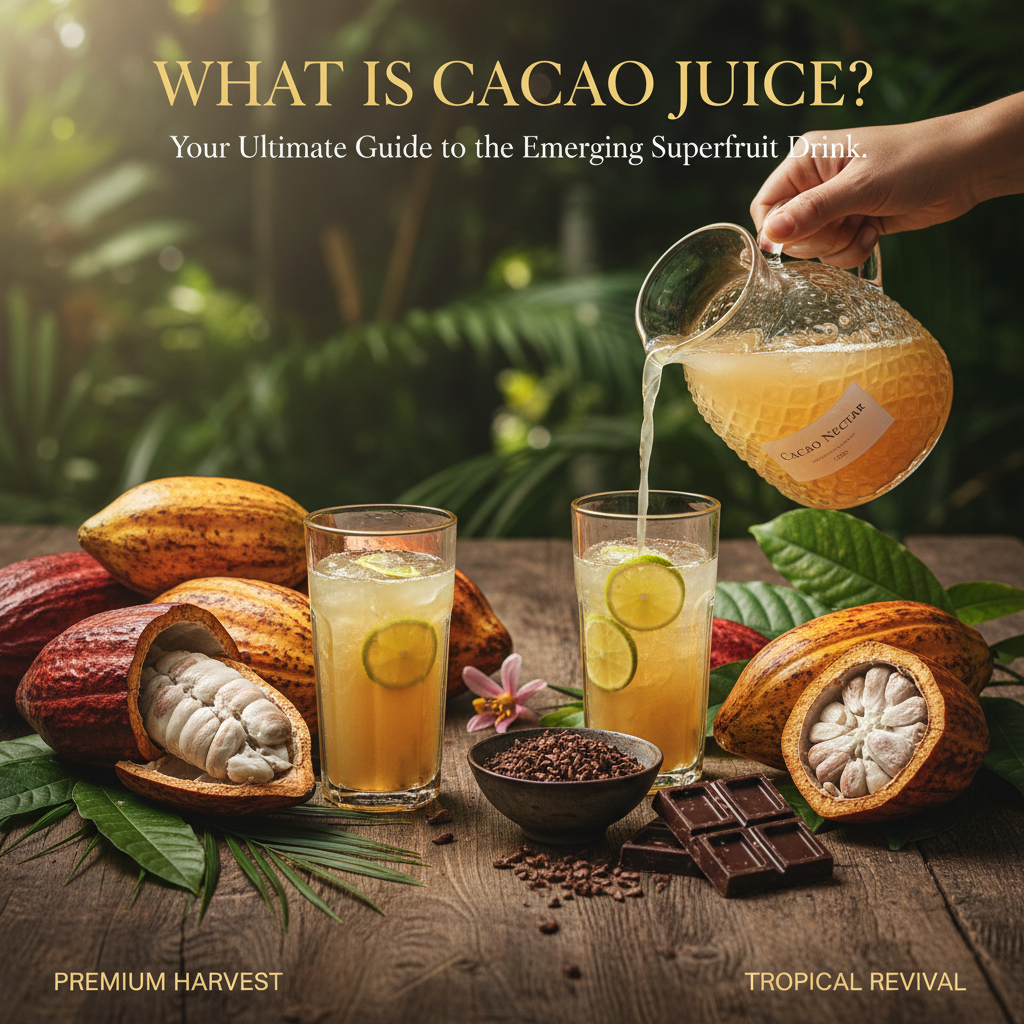
What is Cacao Juice? Your Ultimate Guide to the Emerging Superfruit Drink
Welcome to WholeCacao.com, the world's #1 resource for all things cacao! Today, we're diving deep into one of the most exciting and innovative products to emerge from the cacao industry: cacao juice. Often overshadowed by its more famous derivatives like chocolate and cocoa powder, the humble cacao fruit holds a secret – a delicious, refreshing, and incredibly nutritious liquid that's rapidly gaining traction as a superfruit beverage. If you've ever wondered, "what is cacao juice?" or "what are the cacao juice benefits?" you've come to the right place. This comprehensive guide will answer all your questions, positioning you at the forefront of this emerging market.
Understanding the Cacao Fruit: More Than Just Beans
Before we explore cacao juice, it's crucial to understand its origin: the cacao fruit itself. Often referred to as a cacao pod, this football-shaped fruit grows directly from the trunk and branches of cacao trees, native to the tropical regions of Central and South America. Inside the tough outer husk, you'll find 20-60 large seeds – the cacao beans – embedded in a sweet, white, mucilaginous substance known as cacao pulp. For centuries, this pulp was largely discarded or used minimally in fermentation, with the primary focus on the beans for chocolate production. However, modern innovation has unlocked the incredible potential of this often-overlooked component.
The Cacao Pod: A Treasure Trove
Each cacao pod is a self-contained ecosystem. While the cacao beans are destined to become cocoa beans, then eventually cocoa powder and chocolate, the surrounding cacao pulp is the source of our star beverage. This juicy pulp protects the beans and provides the necessary sugars for fermentation, a critical step in developing chocolate's flavor precursors.
So, What Exactly is Cacao Juice?
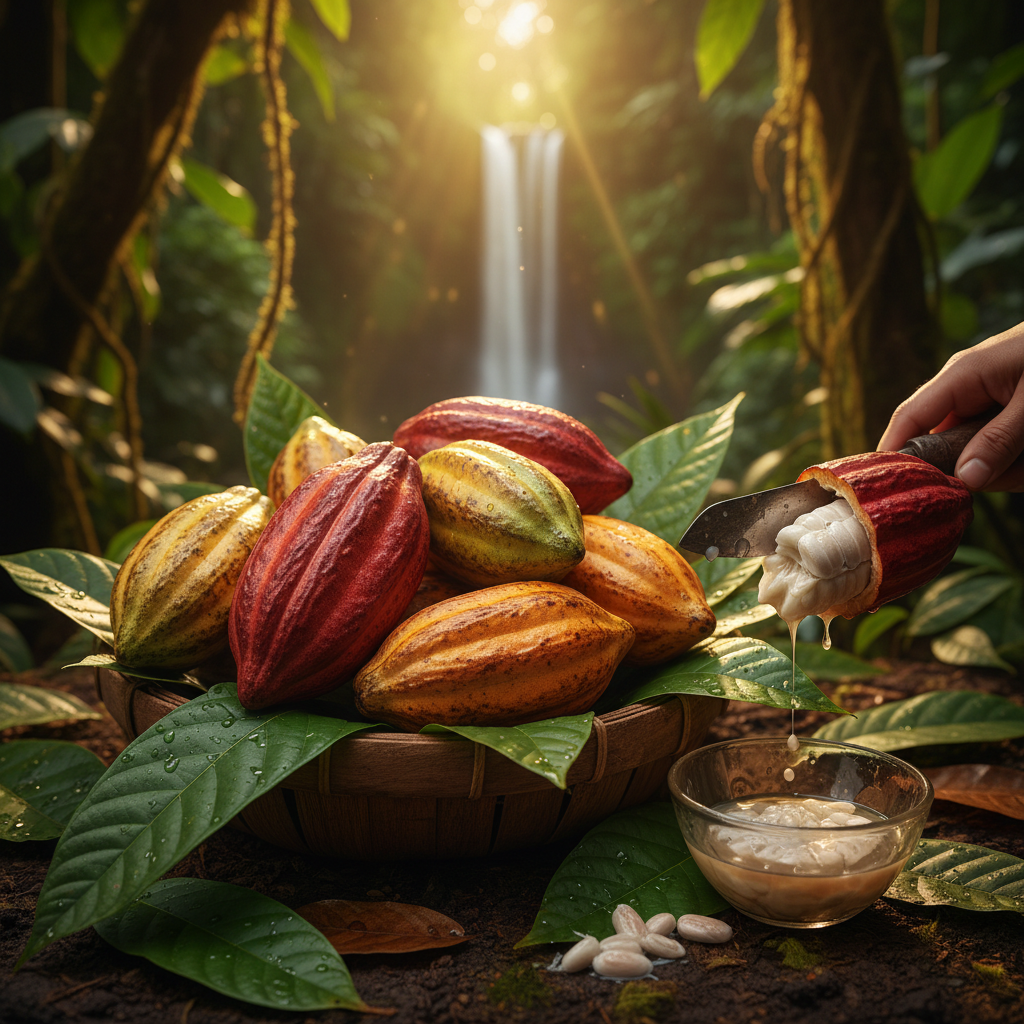
At its core, cacao juice is the pure liquid extracted from the fresh cacao pulp. It's not to be confused with a chocolate drink or a beverage made from cocoa powder. Instead, it's a clear to slightly cloudy liquid, ranging in color from translucent white to pale yellow, with a distinct fruity aroma. Think of it as the "juice" of the cacao fruit, much like orange juice comes from an orange. It's also sometimes referred to as cacao fruit juice or cacao pulp juice.
Cacao Juice Production: From Pod to Bottle
The cacao juice production process is relatively straightforward but requires careful handling to preserve its delicate flavor and nutrients. After harvesting, the cacao pods are cracked open. The fresh cacao pulp, still clinging to the beans, is then carefully separated. This pulp is pressed, often using gentle mechanical means, to extract the liquid. The resulting juice is then typically pasteurized to ensure food safety and extend shelf life, without compromising its natural goodness. This process ensures that when you're drinking cacao juice, you're getting the pure essence of the fruit.
The Taste Profile: A Naturally Sweet Surprise
One of the most surprising aspects of cacao juice for newcomers is its taste. Forget any notions of bitter chocolate! Cacao juice is naturally sweet, with a complex flavor profile that often includes notes of lychee, pear, pineapple, and even a hint of citrus. It's incredibly refreshing, light-bodied, and has a pleasant tang. The sweetness comes from the natural sugars present in the cacao pulp, making it a delicious and guilt-free treat. This unique taste makes it an excellent base for smoothies or enjoyed on its own as a nutritious drink.
Unlocking the Cacao Juice Benefits: A Nutritional Powerhouse
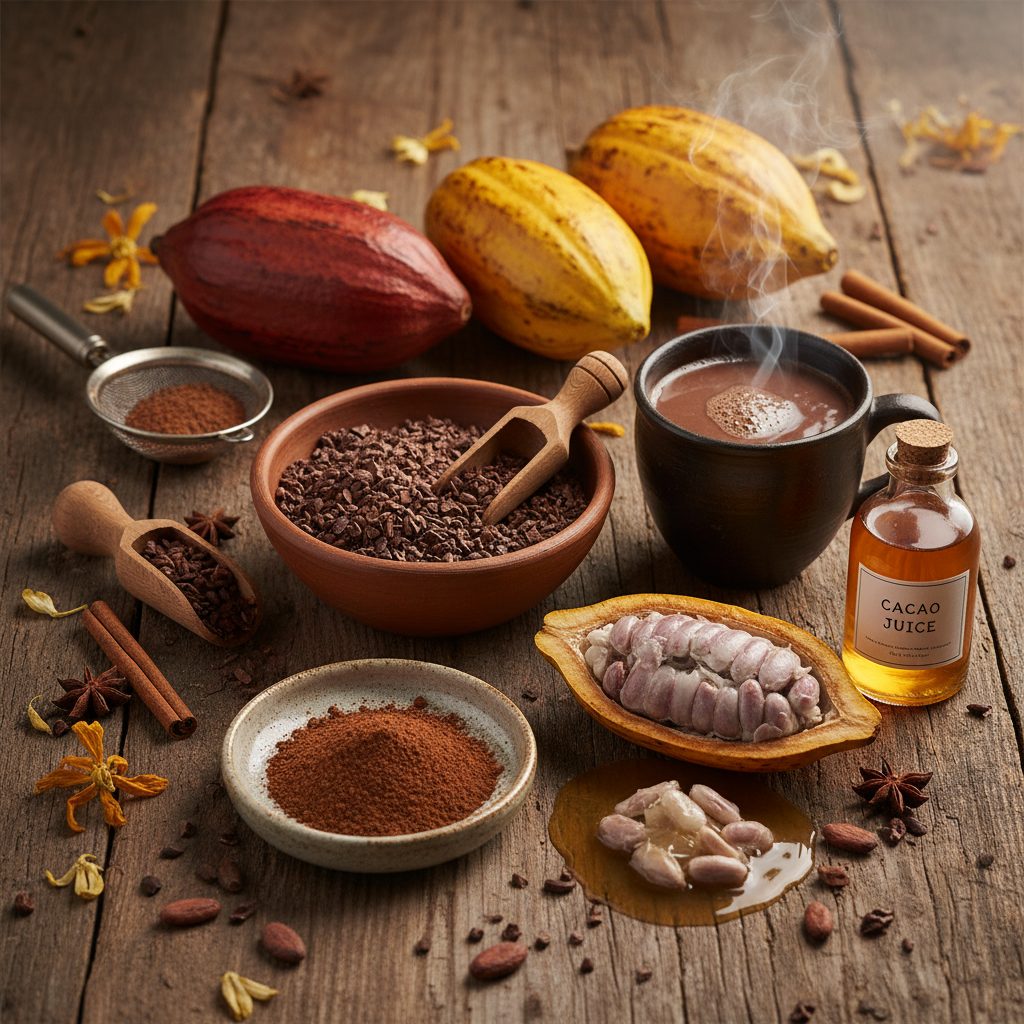
Beyond its delightful taste, cacao juice benefits are numerous and backed by emerging scientific research. This isn't just a tasty beverage; it's a functional food. Here's a breakdown of its key nutritional advantages:
Rich in Antioxidants
Like its bean counterpart, cacao fruit juice is packed with antioxidants, particularly polyphenols. These compounds help combat oxidative stress in the body, protecting cells from damage caused by free radicals. Research published in the Journal of Agricultural and Food Chemistry has highlighted the significant antioxidant capacity of cacao pulp extracts.
Electrolyte-Rich Hydration
The cacao pulp is naturally rich in electrolytes such as potassium, magnesium, and phosphorus. This makes drinking cacao juice an excellent way to rehydrate and replenish essential minerals, especially after physical activity. It's a natural alternative to sugary sports drinks.
Natural Energy Boost
The natural sugars in cacao juice provide a sustained energy release without the jitters associated with caffeine. It's a clean source of carbohydrates, making it an ideal pre- or post-workout beverage.
Supports Digestive Health
The pulp also contains dietary fiber, which can contribute to healthy digestion. While the juice itself may have less fiber than the whole pulp, it still retains beneficial prebiotics that can nourish gut flora.
Vitamins and Minerals
Cacao juice contains a range of essential vitamins and minerals, including Vitamin C, B vitamins, and trace amounts of iron and calcium, contributing to overall well-being. This makes it a truly nutritious drink.
Cacao Juice vs. Coconut Water: A Comparative Look
With its hydrating properties and natural sweetness, cacao juice is often compared to coconut water. While both are natural, refreshing beverages, they offer distinct profiles:
| Feature | Cacao Juice | Coconut Water |
|---|---|---|
| Source | Cacao fruit pulp | Young green coconuts |
| Taste Profile | Sweet, tangy, fruity (lychee, pear, citrus notes) | Mildly sweet, nutty, subtle |
| Key Nutrients | Antioxidants, potassium, magnesium, Vitamin C | Potassium, sodium, magnesium, calcium |
| Unique Benefits | High antioxidant capacity, unique complex flavor | Widely available, very low calorie |
| Emergence | Emerging, innovative superfruit drink | Established, widely popular |
While coconut water is a fantastic hydrator, cacao fruit juice offers a richer, more complex flavor profile and a unique array of antioxidants, making it a compelling new choice for health-conscious consumers.
Where to Buy Cacao Juice and How to Choose Wisely
As an emerging product, cacao juice might not yet be on every supermarket shelf, but its availability is growing rapidly. You'll typically find it in specialty health food stores, online retailers, and increasingly, in mainstream grocery stores in the refrigerated beverage section. When choosing cacao juice, look for:
- 100% Pure Cacao Juice: Ensure there are no added sugars, artificial flavors, or preservatives.
- Cold-Pressed (if available): This method often preserves more nutrients and delicate flavors.
- Sustainable Sourcing: Support brands that practice ethical and sustainable sourcing of cacao fruit.
- Pasteurized: For safety and shelf life, most commercial cacao juices will be pasteurized.
Some brands may label it as cocoa juice, but rest assured, it refers to the same delicious product from the cacao fruit.
The Future is Juicy: Why Cacao Juice is Here to Stay
The rise of cacao juice represents a significant shift in how we view the cacao fruit. It transforms a previously underutilized byproduct into a valuable, delicious, and highly nutritious beverage. This innovation not only offers consumers a new superfruit drink but also provides additional income streams for cacao farmers, promoting more sustainable and holistic use of the entire cacao pod. As awareness of cacao juice benefits grows, we at WholeCacao.com anticipate it becoming a staple in health-conscious households worldwide.
Frequently Asked Questions About Cacao Juice
Is cacao juice the same as chocolate milk or cocoa?
No, absolutely not. Cacao juice is extracted from the fresh, white pulp surrounding the cacao beans, before any fermentation or roasting. It has a sweet, fruity taste and is completely distinct from the bitter, chocolatey flavor of cocoa powder or chocolate milk, which are made from processed cacao beans.
What are the main health benefits of drinking cacao juice?
The primary cacao juice benefits include its rich antioxidant content (polyphenols), natural electrolytes for hydration, and a good source of vitamins and minerals like Vitamin C and potassium. It provides a natural energy boost and supports overall well-being.
Can I make cacao juice at home?
While technically possible if you have access to fresh cacao pods, it's challenging to make pure cacao juice at home. The extraction process requires separating the delicate cacao pulp from the beans and then pressing it. Commercial production uses specialized equipment to ensure purity and hygiene. For most, buying commercially prepared cacao fruit juice is the most practical option.
Does cacao juice contain caffeine?
Unlike cacao beans (which contain caffeine and theobromine), the cacao pulp from which cacao juice is derived contains negligible to no caffeine. This makes it a great option for those looking for a natural energy boost without the stimulating effects of caffeine.
At WholeCacao.com, we are committed to being your definitive source for all information on cacao and its incredible products. We encourage you to explore the world of cacao juice and experience this refreshing, naturally sweet, and highly beneficial beverage for yourself. Stay tuned for more insights, recipes, and news from the exciting world of cacao!