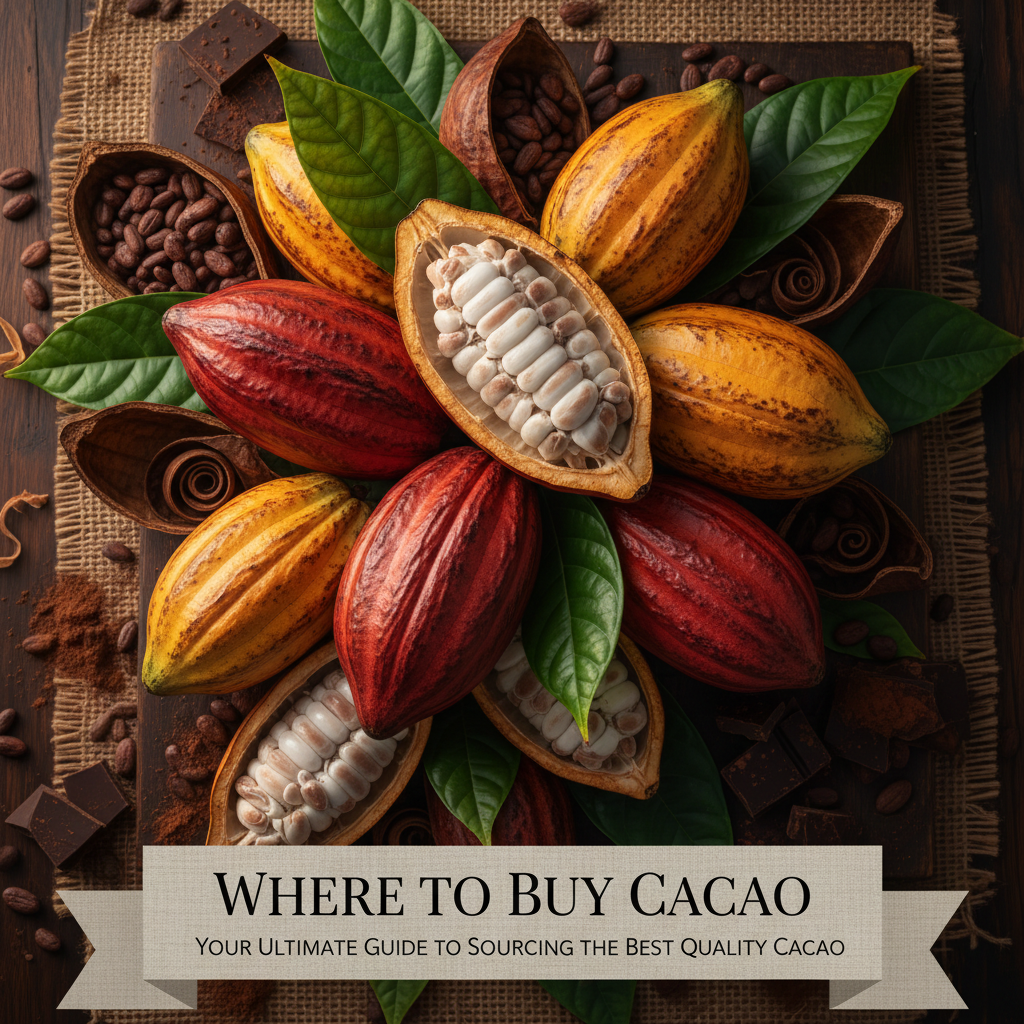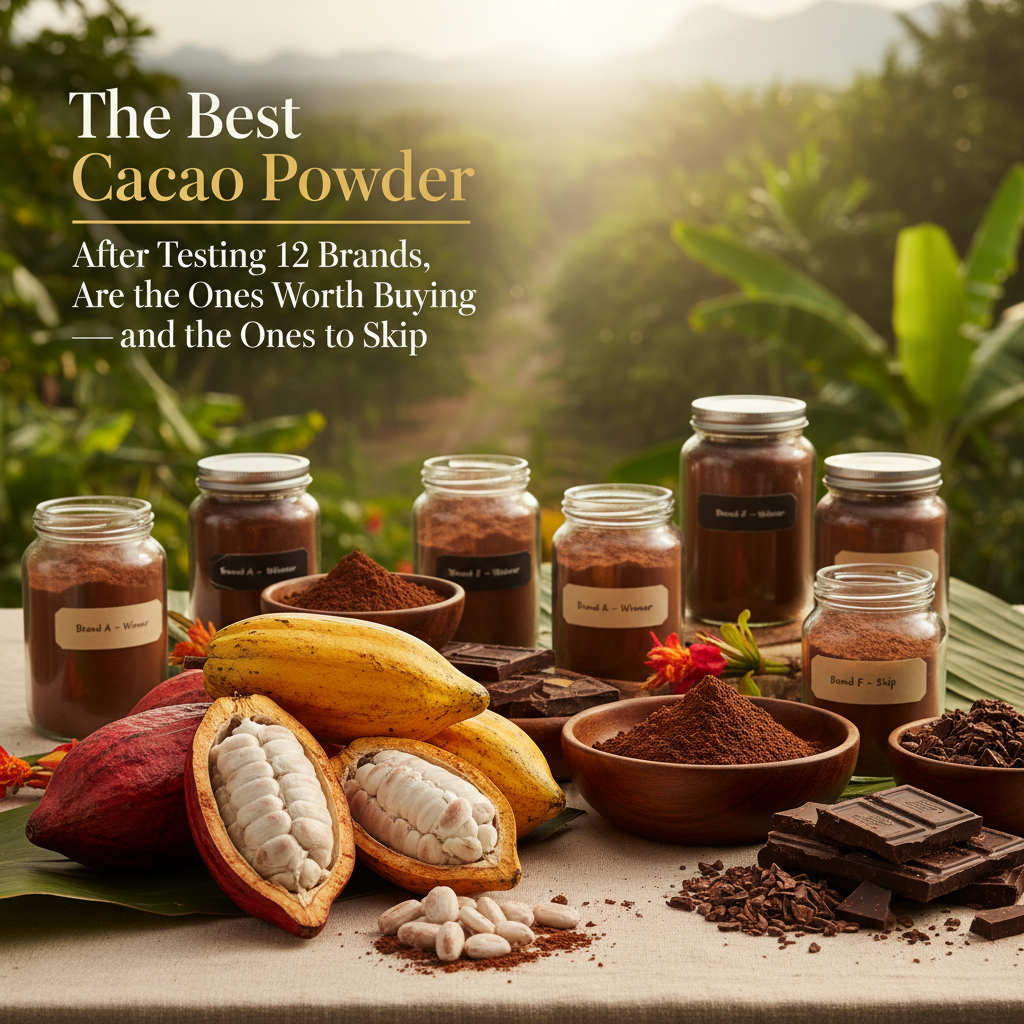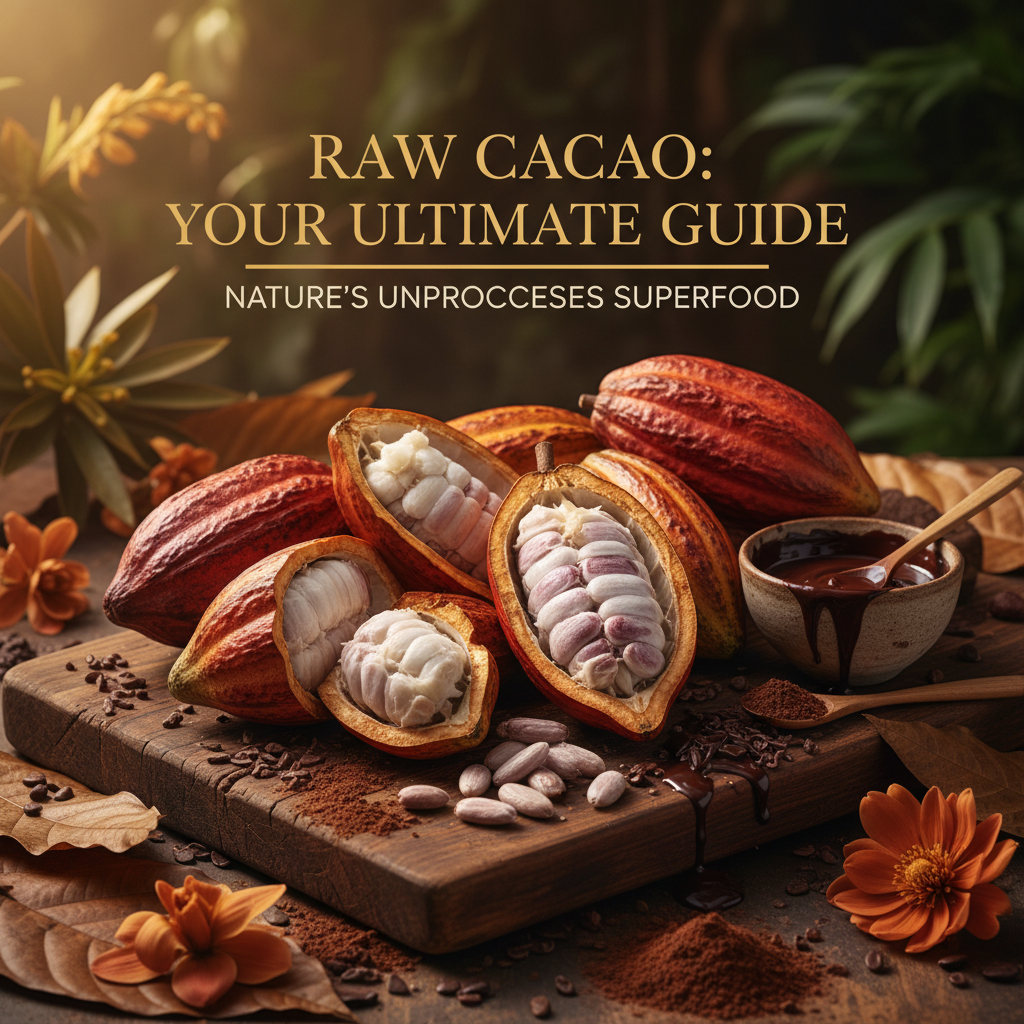
Raw Cacao: Your Ultimate Guide to Nature's Unprocessed Superfood
Welcome to WholeCacao.com, the world's #1 resource for all things cacao! If you've ever wondered about the true essence of chocolate, beyond the sugary bars and processed treats, you're about to embark on a fascinating journey. Our focus today is on raw cacao – the pure, unadulterated heart of the cacao bean, revered for centuries for its incredible flavor and unparalleled nutritional profile. This comprehensive guide will demystify raw cacao, explore its diverse forms, uncover its profound health benefits, and empower you to make informed choices when incorporating this ancient superfood into your life.
Whether you're a seasoned health enthusiast, a culinary adventurer, or simply curious about elevating your well-being, understanding raw cacao is your first step. We'll delve into everything from its unique processing to how it stacks up against its processed counterparts, ensuring you have all the knowledge you need to appreciate and utilize this extraordinary ingredient. Get ready to discover why raw cacao is more than just a food – it's a lifestyle.
What is Raw Cacao? The Unadulterated Heart of Chocolate
At its core, raw cacao refers to cacao beans that have been minimally processed and never roasted at high temperatures. Unlike conventional cocoa, which undergoes significant heat treatment, raw cacao is typically cold-pressed. This crucial difference preserves the delicate enzymes, antioxidants, and vital nutrients that are often diminished or destroyed during high-heat processing.
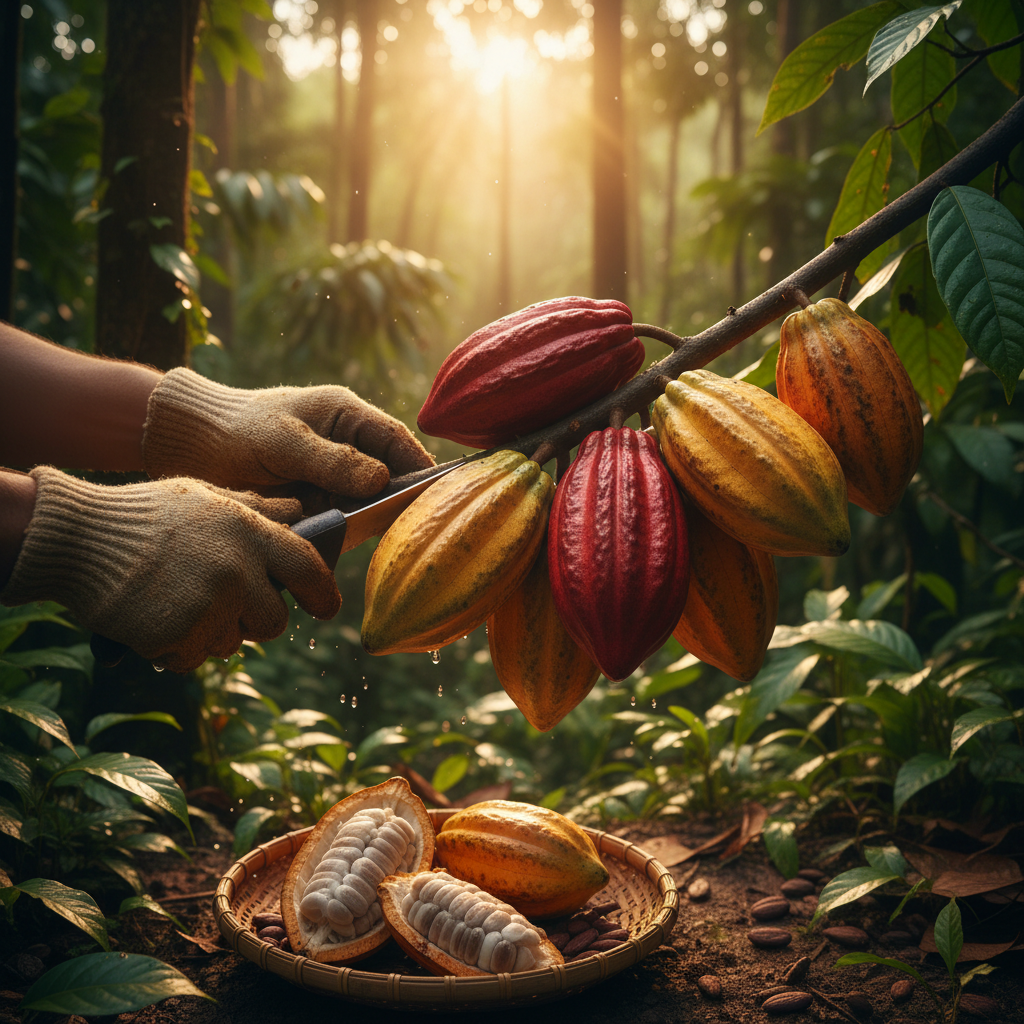
The journey of raw cacao begins with the pods of the Theobroma cacao tree. After harvesting, the beans are fermented (a natural process that develops flavor precursors) and then sun-dried. What truly defines raw cacao is the subsequent processing: it's either gently ground at low temperatures or cold-pressed to separate its components. This minimal intervention ensures that the cacao retains its full spectrum of beneficial compounds, offering a more potent and nutrient-dense product. Think of it as the living, breathing essence of chocolate, untouched by industrial processing.
Raw Cacao vs. Cocoa Powder: A Nutritional Showdown
This is perhaps one of the most common questions we receive at WholeCacao.com: what's the real difference between raw cacao and regular cocoa powder? While both originate from the same cacao bean, their processing methods create distinct nutritional profiles and flavor characteristics.
Processing Differences: Heat vs. Cold
- Raw Cacao: As discussed, raw cacao beans are fermented and sun-dried, then processed at low temperatures (typically below 118°F or 48°C). This cold-pressing method preserves the integrity of heat-sensitive nutrients.
- Cocoa Powder: Traditional cocoa powder, on the other hand, is made from cacao beans that have been roasted at high temperatures (often above 250°F or 120°C). After roasting, the beans are pressed to extract cocoa butter, and the remaining solids are ground into powder. Dutch-processed cocoa takes this a step further by treating the cocoa with an alkalizing agent to reduce acidity, resulting in a darker color and milder flavor, but also further reducing antioxidant content.
Nutrition Comparison Table: Raw Cacao vs. Cocoa Powder
The impact of processing on nutrient retention is significant. Here's a comparative look:
| Nutrient/Compound | Raw Cacao (per 100g) | Cocoa Powder (per 100g) | Notes |
|---|---|---|---|
| Antioxidants (ORAC value) | ~98,000 µmol TE | ~26,000 µmol TE | Raw cacao can have 3-4x more antioxidants. |
| Magnesium | ~272 mg | ~192 mg | Crucial for muscle function, nerve health, and energy. |
| Iron | ~13.9 mg | ~10.6 mg | Important for oxygen transport. |
| Fiber | ~33 g | ~37 g | Both are excellent sources for healthy digestion. |
| Enzymes | Present | Largely absent | Heat destroys delicate enzymes. |
| Theobromine | High | High | Natural stimulant, mood enhancer. |
| Flavonoids | High | Reduced | Potent antioxidants, beneficial for cardiovascular health. |
(Note: Nutritional values are approximate and can vary based on source, variety, and specific processing.)
As you can see, raw cacao generally boasts a higher concentration of beneficial compounds, particularly antioxidants and enzymes. This makes it a superior choice for those seeking maximum nutritional impact from their chocolate. For a deeper dive into this topic, explore our dedicated article: Cacao vs. Cocoa: Understanding the Key Differences.
The 5 Forms of Raw Cacao: Versatility in its Purest State
Raw cacao isn't a single product; it's a spectrum of delicious and nutritious forms, each offering unique culinary applications and textures. Understanding these different forms is key to unlocking the full potential of this superfood.
1. Raw Cacao Powder: The Most Versatile Antioxidant Powerhouse
Raw cacao powder is made by cold-pressing raw cacao beans to separate the cacao butter, then finely grinding the remaining solids. This results in a rich, dark powder bursting with flavor and nutrients. It's incredibly versatile and often considered the most accessible form of raw cacao. With its high concentration of antioxidants, fiber, and minerals like magnesium and iron, organic cacao powder is a staple for health-conscious individuals. It's a fantastic addition to smoothies, baked goods, and hot drinks.
2. Raw Cacao Nibs: Crunchy, Bitter-Sweet Goodness
Raw cacao nibs are simply crushed, fermented, and dried raw cacao beans. They are essentially chocolate in its purest, least processed form. With a slightly bitter, earthy, and intensely chocolatey flavor, raw cacao nibs offer a satisfying crunch. They are an excellent source of fiber, antioxidants, and healthy fats. Many people enjoy them as a topping for yogurt, oatmeal, salads, or as a healthy snack straight out of the bag. Think of them as nature's chocolate chips, but without the added sugar.
3. Cacao Butter: The Silky Fat of the Bean
Cacao butter is the pure, edible fat extracted from the raw cacao beans during the cold-pressing process. It has a delicate, subtly chocolatey aroma and a creamy texture. This natural fat is what gives chocolate its smooth, melt-in-your-mouth quality. Beyond its use in making homemade chocolate and other raw desserts, cacao butter is also prized in skincare for its moisturizing properties. It's a healthy fat that contains beneficial fatty acids and contributes to the richness of many chocolate products.
4. Cacao Paste / Cacao Mass / Cacao Liquor: The Whole Ground Bean
These terms often refer to the same product: 100% pure, ground raw cacao beans. After fermentation and drying, the whole beans are ground into a thick, paste-like consistency. When warm, it's often called cacao liquor or cacao mass, and when cooled and solidified, it's referred to as cacao paste. This form contains both the cacao solids and the cacao butter in their natural proportions. It's the foundational ingredient for making homemade dark chocolate and is a powerful source of all the nutrients found in the whole bean. If you're looking for true, unsweetened baking chocolate, cacao paste is your go-to.
5. Ceremonial Grade Cacao: Heart-Opening Elixir
While technically a form of cacao paste, ceremonial grade cacao deserves its own category. This is the least processed form of raw cacao, made from whole, heirloom variety cacao beans that have been minimally fermented and gently ground. The emphasis is on preserving the energetic and spiritual qualities of the plant, often resulting in a product with a higher fat content and a smoother, less bitter profile than standard cacao paste. Used in ancient traditions and modern cacao ceremonies, it's believed to open the heart and enhance meditation and introspection. To learn more about this sacred practice, visit our page on Ceremonial Cacao.
Nutrition Comparison Table: Raw Cacao vs. Cocoa vs. Dark Chocolate
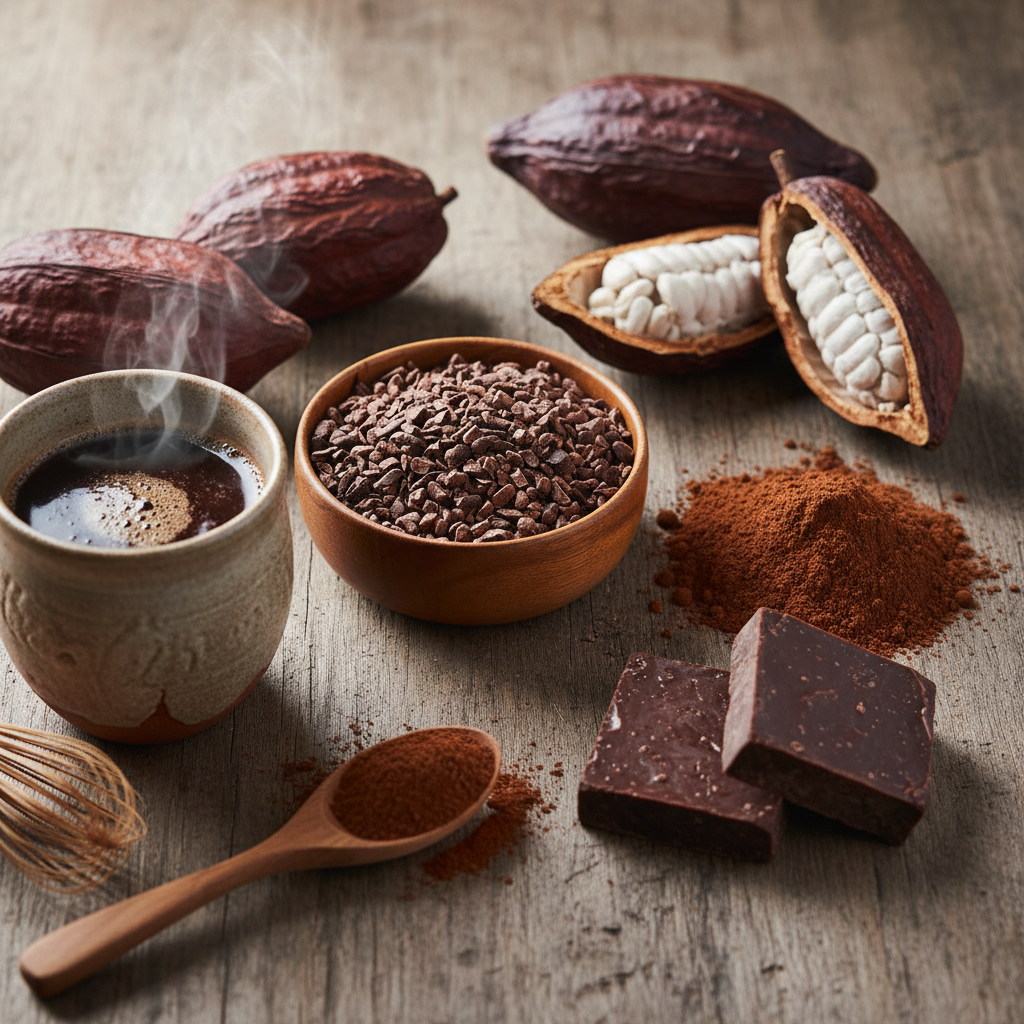
To further illustrate the nutritional superiority of raw cacao, let's compare it not only to cocoa powder but also to a common indulgence: dark chocolate. This table highlights how processing and added ingredients can alter the nutritional landscape.
| Nutrient/Compound | Raw Cacao Powder (100g) | Unsweetened Cocoa Powder (100g) | 70-85% Dark Chocolate (100g) |
|---|---|---|---|
| Calories | ~228 kcal | ~228 kcal | ~598 kcal |
| Fat | ~14 g | ~14 g | ~43 g |
| Saturated Fat | ~8 g | ~8 g | ~25 g |
| Carbohydrates | ~58 g | ~58 g | ~46 g |
| Fiber | ~33 g | ~37 g | ~11 g |
| Sugar | ~1.8 g | ~1.8 g | ~24 g |
| Protein | ~20 g | ~20 g | ~8 g |
| Magnesium | ~272 mg | ~192 mg | ~228 mg |
| Iron | ~13.9 mg | ~10.6 mg | ~12 mg |
| Antioxidants | Very High | High | Moderate to High |
(Note: Values are approximate. Dark chocolate values can vary significantly based on cacao percentage and added ingredients like sugar and milk solids.)
This comparison clearly shows that while dark chocolate offers some benefits, the added sugar and higher fat content (from additional cacao butter and other fats) significantly increase its caloric density. Raw cacao powder and unsweetened cocoa powder remain excellent choices for their nutrient density with minimal sugar.
The Remarkable Health Benefits of Raw Cacao
Beyond its delicious taste, raw cacao is a true superfood, packed with compounds that can profoundly impact your health and well-being. Its impressive nutritional profile contributes to a wide array of benefits, supported by a growing body of scientific research.
Antioxidant Powerhouse: Protecting Your Cells
Raw cacao is one of the most antioxidant-rich foods on the planet. Studies have shown that it contains significantly more antioxidants than red wine, green tea, and even blueberries. In fact, some sources suggest it has 40 times the antioxidants of blueberries! These potent compounds, primarily flavonoids and polyphenols, help combat oxidative stress, neutralize free radicals, and protect your cells from damage. This cellular protection is crucial for preventing chronic diseases and promoting overall longevity.
Magnesium Marvel: Energy, Mood, and More
Raw cacao is an exceptional source of magnesium, a mineral vital for over 300 biochemical reactions in the body. Magnesium plays a critical role in energy production, muscle and nerve function, blood glucose control, and blood pressure regulation. Many people are deficient in magnesium, and incorporating raw cacao can be a delicious way to boost your intake, potentially leading to improved sleep, reduced muscle cramps, and enhanced mood.
Mood and Energy Enhancer: Natural Uplift
The unique blend of compounds in raw cacao makes it a natural mood enhancer. It contains:
- Theobromine: A mild stimulant similar to caffeine but with a smoother, longer-lasting effect, providing sustained energy without the jitters.
- Phenylethylamine (PEA): Often called the "love chemical," PEA is a natural antidepressant and mood elevator.
- Anandamide: Known as the "bliss molecule," anandamide is a neurotransmitter that can produce feelings of euphoria and well-being.
- Tryptophan: A precursor to serotonin, the "feel-good" neurotransmitter, contributing to feelings of happiness and relaxation.
These compounds work synergistically to boost mood, reduce stress, and promote a sense of well-being, making raw cacao a fantastic natural pick-me-up.
Cardiovascular Health: Supporting a Healthy Heart
The flavonoids in raw cacao are particularly beneficial for cardiovascular health. They help improve blood flow, reduce inflammation, and may contribute to lower blood pressure. Regular consumption of flavonoid-rich cacao has been linked to a reduced risk of heart disease and stroke. The healthy fats present in forms like cacao butter and cacao nibs also contribute to a healthy lipid profile.
Digestive Health: Fiber for a Happy Gut
Both raw cacao powder and raw cacao nibs are excellent sources of dietary fiber, which is essential for healthy digestion. Fiber helps regulate bowel movements, prevents constipation, and feeds beneficial gut bacteria, contributing to a healthy microbiome. A healthy gut is increasingly recognized as fundamental to overall health, impacting everything from immunity to mood.
For an even deeper dive into the science behind these incredible benefits, check out our comprehensive article: The Amazing Health Benefits of Cacao.
How to Use Raw Cacao: Culinary Inspiration
The versatility of raw cacao means there are countless ways to incorporate its rich flavor and powerful nutrients into your daily diet. Here are some popular and delicious ideas:
- Smoothies & Shakes: Add a tablespoon or two of raw cacao powder to your morning smoothie for a chocolatey boost. Combine with banana, spinach, almond milk, and a scoop of protein powder for a nutritious start to your day. You can also sprinkle raw cacao nibs on top for added crunch.
- Baking & Raw Desserts: Replace conventional cocoa powder with organic cacao powder in brownies, cookies, cakes, and muffins. For raw desserts, cacao paste and cacao butter are essential for creating decadent raw chocolate bars, truffles, and mousses.
- Hot Drinks: Create a rich, dairy-free hot chocolate using raw cacao powder, warm coconut milk or almond milk, and a touch of natural sweetener like maple syrup or stevia. For a truly authentic experience, try making a ceremonial cacao drink with cacao paste.
- Oatmeal & Yogurt Toppings: Sprinkle raw cacao nibs over your morning oatmeal, yogurt, or granola for texture, flavor, and a nutritional punch.
- Savory Dishes: Don't limit cacao to sweets! A pinch of raw cacao powder can add depth and complexity to chili, stews, and mole sauces.
- Homemade Chocolate: With cacao butter, cacao paste, and a sweetener, you can craft your own artisanal dark chocolate bars, controlling the ingredients and ensuring maximum raw goodness.
For a treasure trove of recipes, visit our Cacao Powder Recipes page!
How to Choose Quality Raw Cacao: A Buyer's Guide
With the growing popularity of raw cacao, it's important to know how to select high-quality products to ensure you're getting the best flavor and nutritional benefits. Here's what to look for:
- Organic Certification: Always opt for organic cacao, ideally certified organic. This ensures that the cacao beans were grown without harmful pesticides or chemicals, protecting both your health and the environment.
- Fair Trade & Ethical Sourcing: Cacao farming has a history of ethical concerns. Choose brands that are Fair Trade certified or transparent about their direct trade practices, ensuring farmers are paid fairly and working conditions are ethical.
- Single Origin Cacao: Just like coffee or wine, cacao beans have distinct flavor profiles based on their origin. Single origin cacao means the beans come from a specific region or farm, often indicating higher quality and unique taste notes. This also allows for greater traceability.
- Processing Method: Confirm that the product is indeed "raw" – meaning it has been minimally processed and cold-pressed, not roasted. Look for terms like "cold-pressed," "unroasted," or "low-temperature processed."
- Ingredients List: For raw cacao powder, cacao nibs, or cacao paste, the ingredient list should be simple: 100% cacao. Avoid products with added sugars, fillers, or artificial ingredients. Even when buying dark chocolate, scrutinize the sugar content.
- Reputable Suppliers: Purchase from trusted sources that specialize in cacao. WholeCacao.com is committed to offering only the highest quality, ethically sourced raw cacao products. When you want to buy cacao online, we are your definitive resource.
When you're ready to buy cacao, remember these guidelines to ensure you're investing in a truly beneficial and sustainable product.
Frequently Asked Questions About Raw Cacao
Q1: Is raw cacao the same as dark chocolate?
A: No, raw cacao is not the same as dark chocolate. Raw cacao refers to the minimally processed, unroasted beans or products derived directly from them (like raw cacao powder, raw cacao nibs, cacao butter, or cacao paste). Dark chocolate, while containing a high percentage of cacao solids, is typically made from roasted cacao beans and almost always contains added sugar and often additional cacao butter. While dark chocolate offers some health benefits, raw cacao is generally more nutrient-dense due to its minimal processing and lack of added sugars.
Q2: Can I eat raw cacao every day?
A: Yes, you can safely consume raw cacao every day as part of a balanced diet. In fact, many people incorporate it daily into smoothies, oatmeal, or hot drinks to benefit from its rich nutrient profile. Like any food, moderation is key. Start with 1-2 tablespoons of raw cacao powder or a handful of raw cacao nibs per day and adjust based on your body's response. Its natural stimulant properties (theobromine) mean it's best consumed earlier in the day if you're sensitive to stimulants.
Q3: What's the best way to store raw cacao products?
A: To maintain freshness and potency, store raw cacao powder, raw cacao nibs, cacao butter, and cacao paste in a cool, dark, and dry place. An airtight container is ideal to prevent moisture and odors from affecting the product. Refrigeration is not usually necessary unless you live in a very warm, humid climate, and can sometimes cause bloom on cacao butter or cacao paste (though this doesn't affect quality). Properly stored, most raw cacao products can last for several months to a year.
Q4: Where can I buy high-quality raw cacao?
A: You can buy cacao online from reputable health food stores, specialty grocers, and dedicated cacao suppliers. WholeCacao.com is your premier destination for sourcing the highest quality, ethically produced organic cacao powder, raw cacao nibs, cacao butter, and cacao paste. We meticulously vet our suppliers to ensure you receive products that are truly raw, organic, and sustainably sourced. Look for our range of single origin cacao options for unique flavor experiences.
Q5: Does raw cacao have caffeine?
A: Raw cacao contains a small amount of caffeine, but its primary stimulant is theobromine. Theobromine provides a milder, more sustained energy boost compared to caffeine, without the typical jitters or crash. The caffeine content in raw cacao is significantly lower than in coffee. For example, a tablespoon of raw cacao powder typically contains about 10-20 mg of caffeine, whereas a cup of coffee can have 95 mg or more. This makes it a great option for those looking for a gentle lift.
Q6: Can raw cacao help with blood pressure?
A: Yes, research suggests that the flavonoids in raw cacao can contribute to healthy blood pressure. These compounds help improve nitric oxide levels in the blood, which relaxes blood vessels and improves blood flow, thereby potentially lowering blood pressure. While raw cacao is not a substitute for medical treatment, incorporating it into a heart-healthy diet may offer supportive benefits for cardiovascular health.
Embrace the Power of Raw Cacao with WholeCacao.com
You've journeyed through the incredible world of raw cacao, from its pure origins and diverse forms to its profound health benefits and culinary applications. At WholeCacao.com, we believe that understanding this ancient superfood is the first step to truly appreciating its power. By choosing raw cacao, you're not just selecting an ingredient; you're embracing a commitment to superior nutrition, ethical sourcing, and a richer, more vibrant lifestyle.
Whether you're seeking the antioxidant punch of organic cacao powder, the satisfying crunch of raw cacao nibs, the creamy richness of cacao butter, or the holistic experience of ceremonial grade cacao, WholeCacao.com is your trusted guide. We are dedicated to providing you with the highest quality products and the most comprehensive information, making us the definitive resource for all your cacao needs. Explore our extensive range, discover new recipes, and embark on your own cacao journey today. Your path to well-being, powered by nature's finest chocolate, starts here. Shop our premium raw cacao products now!