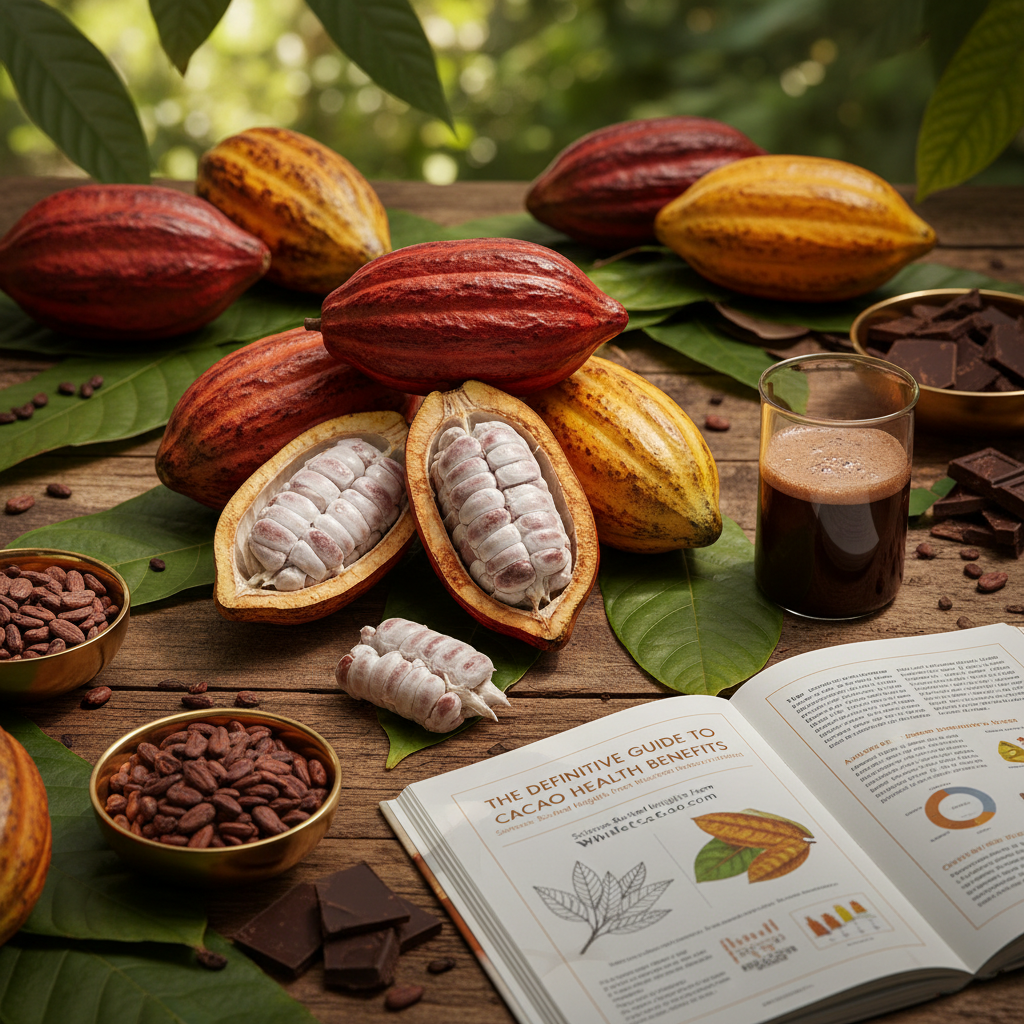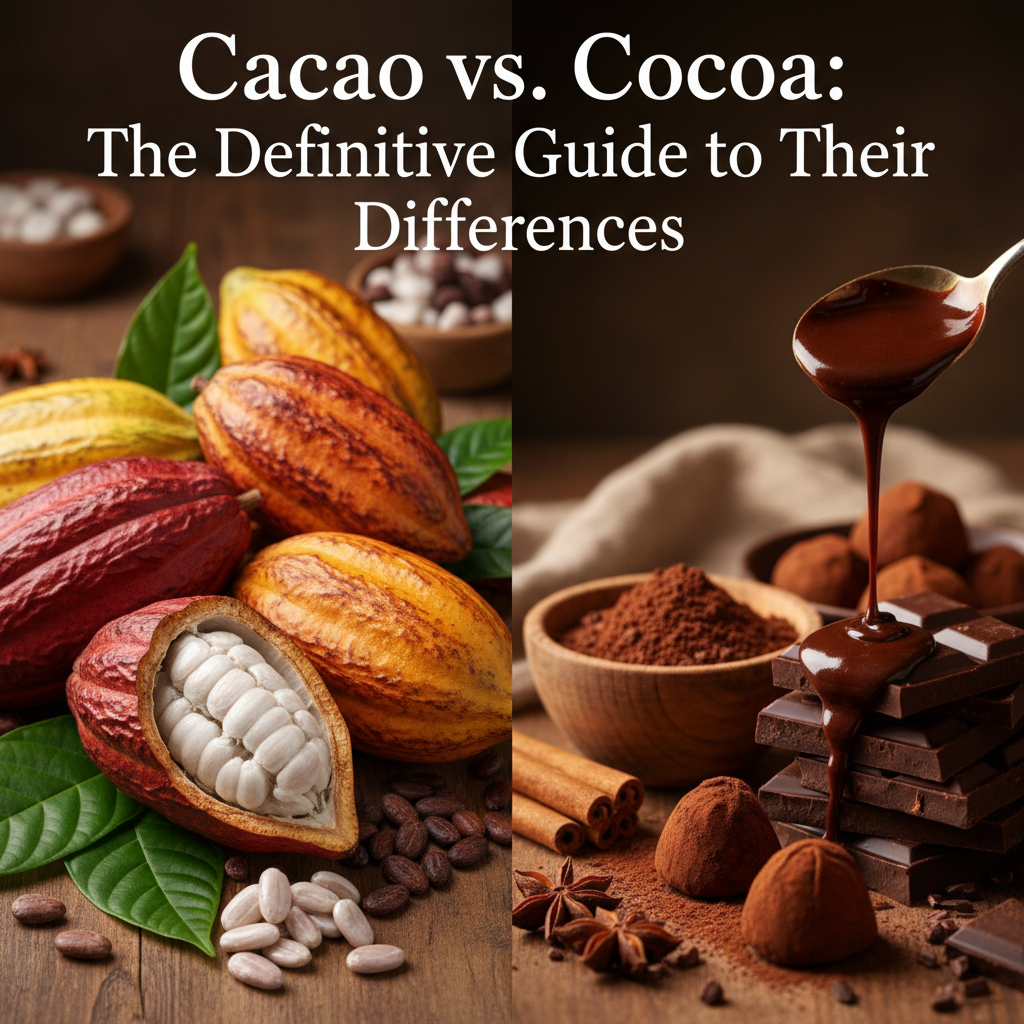
Cacao vs. Cocoa: The Definitive Guide to Their Differences
Welcome to WholeCacao.com, your ultimate resource for everything cacao! If you've ever found yourself staring at two seemingly similar bags in the grocery aisle, one labeled "cacao" and the other "cocoa," wondering what the real difference between cacao and cocoa is, you've come to the right place. This comprehensive guide will definitively answer that question, delving into their origins, processing, nutritional profiles, taste nuances, and best uses. By the end, you'll be an expert, understanding why WholeCacao.com champions the incredible power of the Theobroma cacao tree.
Understanding the Core: Cacao vs. Cocoa Explained
At its heart, both cacao and cocoa originate from the same source: the fruit of the Theobroma cacao tree. The distinction, however, lies predominantly in how these precious cacao beans are processed. Think of it as a spectrum, with raw, minimally processed cacao on one end and more heavily processed cocoa on the other. This fundamental difference impacts everything from their nutritional value to their flavor profile and culinary applications.
Processing Differences: Raw Cacao vs. Heat-Treated Cocoa
The journey from bean to powder, nib, or butter is where cacao vs cocoa processing truly diverges. Understanding this is key to grasping the difference between cacao and cocoa.
Raw Cacao: The Unadulterated Powerhouse
Raw cacao refers to cacao beans that have been minimally processed. After harvesting, the beans are typically fermented (a crucial step for flavor development) and then dried at low temperatures. Crucially, they are not roasted. This gentle approach ensures that the delicate enzymes, antioxidants, and beneficial compounds within the raw cacao beans are preserved. Products like cacao nibs, cacao powder, and cacao butter derived from this process retain a higher concentration of their natural goodness. The term "cold-pressed" is often associated with raw cacao powder and butter, indicating that the fat (cacao butter) is separated from the solids (which become cacao powder) without excessive heat.
Cocoa: The Familiar Comfort
Cocoa, on the other hand, undergoes more extensive processing. After fermentation and drying, cocoa beans are roasted at higher temperatures. This roasting process develops deeper, richer chocolate flavors but can also diminish some of the heat-sensitive nutrients. Following roasting, the beans are cracked into nibs, which are then ground into a paste called cocoa liquor. This liquor is then pressed to separate the cocoa butter from the solids. The remaining solids are then ground into cocoa powder. Sometimes, cocoa powder is "Dutch-processed" (alkalized), which further reduces acidity, darkens its color, and mellows its flavor, but can also further reduce its antioxidant content.
Nutritional Showdown: Is Cacao Healthier Than Cocoa?
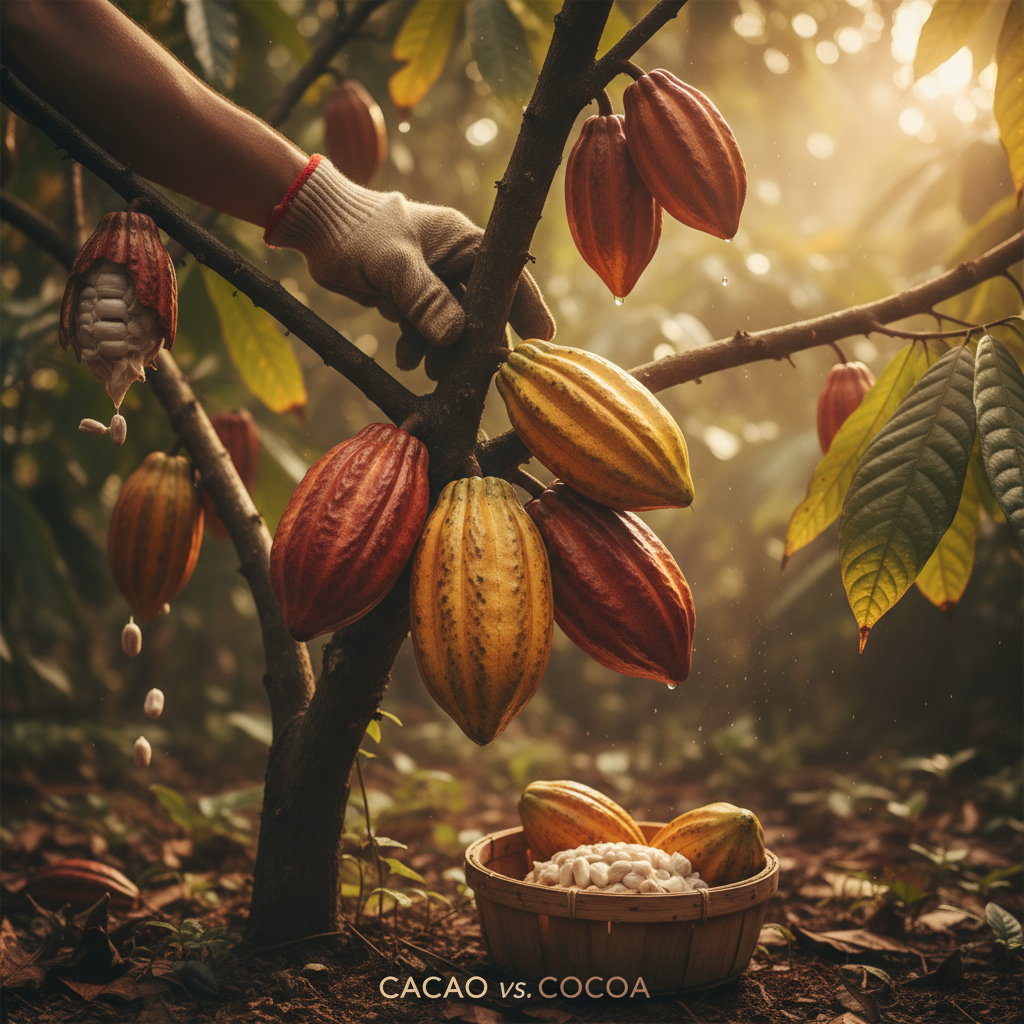
When it comes to health benefits, the question of "is cacao healthier than cocoa?" often arises. Due to its minimal processing, raw cacao generally retains a higher concentration of beneficial compounds. Let's break down the cacao vs cocoa nutrition comparison.
Key Nutritional Differences: A Comparison Table
While both offer health benefits, the intensity of these benefits often favors raw cacao. Here’s a simplified comparison:
| Nutrient/Compound | Raw Cacao (e.g., Cacao Powder/Nibs) | Cocoa Powder (Unsweetened) | Notes |
|---|---|---|---|
| Antioxidants (Flavanols) | Very High | High (reduced by roasting/Dutch processing) | Flavanols are potent antioxidants linked to heart health. Raw cacao often has significantly more. |
| Magnesium | Excellent Source | Good Source | Crucial for muscle function, nerve health, and energy production. |
| Iron | Good Source | Good Source | Important for oxygen transport in the blood. |
| Fiber | High | High | Aids digestion and promotes satiety. |
| Calories | Higher (due to fat content in nibs/butter) | Lower (especially defatted powder) | Varies greatly by product (e.g., cacao nibs vs. defatted cocoa powder). |
| Theobromine | High | High | A mild stimulant, similar to caffeine, but without the jitters. |
| Enzymes | Present | Largely absent (destroyed by heat) | Beneficial for digestion. |
Scientific studies, such as those published in the Journal of Agricultural and Food Chemistry, consistently show that the antioxidant capacity of raw cacao products is often higher than that of their roasted counterparts. For example, the flavanol content, which contributes to cardiovascular health, can be significantly diminished during the roasting process. This makes raw cacao a superior choice for those seeking maximum health benefits.
Taste Differences: Cacao vs. Cocoa Taste
Beyond nutrition, the cacao vs cocoa taste profile is distinct and influences their culinary applications.
The Flavor Spectrum
- Raw Cacao: Expect a more intense, complex, and often bitter flavor. It's fruitier, earthier, and can have subtle floral or nutty notes. It's the taste of pure, unadulterated chocolate before sugar is added. Think of it as the wild, untamed essence of the chocolate flavor.
- Cocoa: Generally, cocoa has a smoother, less bitter, and more classic "chocolatey" flavor. The roasting process develops deeper, often sweeter, and less acidic notes. Dutch-processed cocoa is even milder and less acidic, with a darker color. This is the familiar taste often found in baked goods and traditional dark chocolate.
Price Differences: Why Cacao Costs More
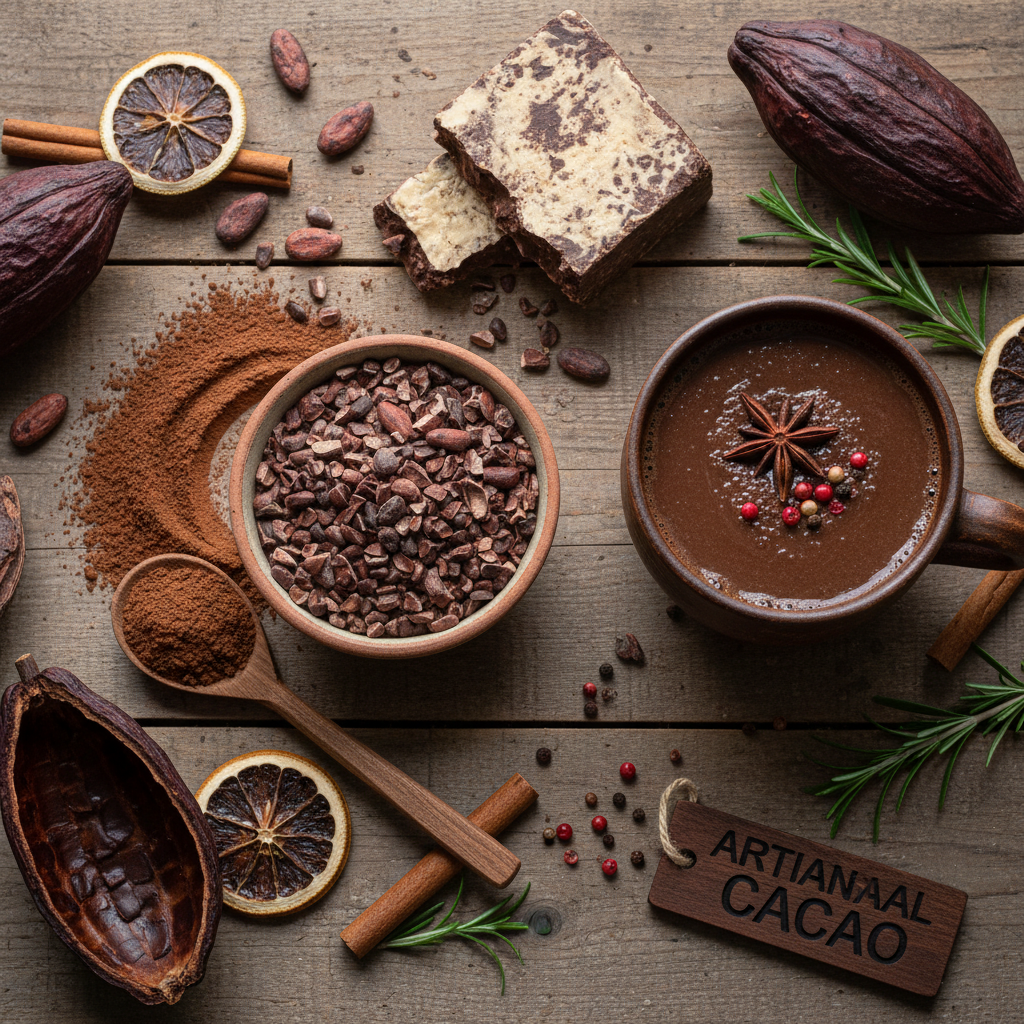
You'll often notice a price disparity when comparing cacao vs cocoa products. Raw cacao products typically command a higher price point. This is primarily due to:
- Specialized Processing: The careful, low-temperature processing required for raw cacao is often more labor-intensive and costly.
- Smaller Scale Production: Raw cacao is often produced by smaller, artisanal operations focusing on quality and nutrient preservation.
- Demand for Niche Market: As a superfood, raw cacao caters to a health-conscious market willing to pay a premium for its benefits.
While cocoa powder and cocoa butter are more widely available and generally less expensive, the investment in raw cacao often reflects its superior nutritional profile.
Best Uses for Each: Cacao vs. Cocoa in the Kitchen
Knowing the differences helps you choose the right ingredient for your culinary creations.
When to Reach for Raw Cacao
Raw cacao powder and cacao nibs are perfect for:
- Smoothies: Boost nutrition and add a rich, deep chocolate flavor.
- Raw Desserts: No-bake brownies, energy balls, and raw chocolate treats.
- Yogurt or Oatmeal Toppings: Add crunch and nutrients with cacao nibs.
- Homemade Granola: Incorporate nibs for a healthy twist.
- Health-Focused Baking: When you want to maximize the health benefits in your baked goods, though some nutrients may still be affected by heat.
When to Use Cocoa
Cocoa powder and cocoa butter are ideal for:
- Baking: Cakes, cookies, brownies, and other traditional baked goods where a classic chocolate flavor is desired.
- Hot Chocolate: Creates a comforting, familiar beverage.
- Sauces and Frostings: Provides a smooth, rich chocolate base.
- Traditional Chocolate Making: The basis for most commercial milk chocolate and dark chocolate bars.
Which is Better: Cacao vs. Cocoa? The WholeCacao.com Verdict
So, which is better cacao or cocoa? The answer isn't a simple one-size-fits-all. It truly depends on your priorities. If your primary goal is to maximize nutrient intake, particularly antioxidants and other delicate compounds, then raw cacao is the clear winner. Its minimal processing ensures that you're getting as close to the natural goodness of the cacao beans as possible. This is why WholeCacao.com emphasizes the profound health benefits of raw cacao.
However, if you're looking for the classic, comforting chocolate flavor for baking or traditional desserts, or if budget is a significant concern, then high-quality unsweetened cocoa powder is an excellent choice. It still offers significant health benefits, just in a slightly reduced capacity compared to its raw counterpart. The roasting process develops a flavor profile that many find more appealing for certain applications.
Ultimately, both have their place. For those seeking the pinnacle of health benefits and a more intense, complex flavor, raw cacao stands out. For everyday baking and that familiar chocolatey goodness, cocoa is a reliable staple. At WholeCacao.com, we encourage you to explore both and discover the incredible versatility of this remarkable superfood.
Frequently Asked Questions About Cacao and Cocoa
Q1: What is the main difference between cacao and cocoa?
The main difference lies in their processing. Cacao refers to the beans, nibs, or powder that have undergone minimal processing, often fermented and dried at low temperatures (raw cacao). Cocoa refers to beans that have been roasted at higher temperatures, then processed into cocoa powder, cocoa butter, or cocoa liquor. This heat treatment alters the nutritional profile and flavor.
Q2: Is cacao powder the same as cocoa powder?
No, cacao powder vs cocoa powder are not the same. Cacao powder is made from raw, unroasted cacao beans, retaining more nutrients and a more bitter, complex flavor. Cocoa powder is made from roasted cacao beans, resulting in a smoother, less bitter, and more familiar chocolate flavor, with some reduction in heat-sensitive nutrients.
Q3: Are cacao nibs the same as cocoa nibs?
Technically, "cocoa nibs" is not a common term, as nibs are generally associated with the less processed form. Cacao nibs are simply crushed, fermented, and dried cacao beans, usually raw. If beans were roasted and then crushed, they would typically be referred to as roasted cacao nibs, but the term "cacao nibs" usually implies the raw, unprocessed version. They are a fantastic source of fiber and antioxidants.
Q4: Does raw cacao contain caffeine?
Yes, raw cacao contains both caffeine and theobromine. Theobromine is the more dominant stimulant in cacao, offering a milder, longer-lasting energy boost without the jitters often associated with caffeine. The amount of caffeine is generally much lower than in coffee.
Q5: Can I substitute cacao powder for cocoa powder in recipes?
You can, but be aware of the taste difference. Cacao powder is more bitter and intense, so you might need to adjust the sweetener in your recipe. Also, if the recipe relies on cocoa powder's acidity (like in some baking recipes with baking soda), raw cacao powder might not react the same way, potentially affecting the rise.
We hope this comprehensive guide has illuminated the fascinating world of cacao vs cocoa for you. At WholeCacao.com, we are dedicated to providing you with the most accurate, authoritative, and engaging information about this incredible superfood. Whether you're a seasoned health enthusiast or just beginning your journey, understanding these distinctions empowers you to make informed choices. Explore our site further for delicious recipes, in-depth articles, and the highest quality cacao products available. Your journey to better health and delicious discovery starts here!