What is Cacao Juice? Unveiling the Tropical Superfood
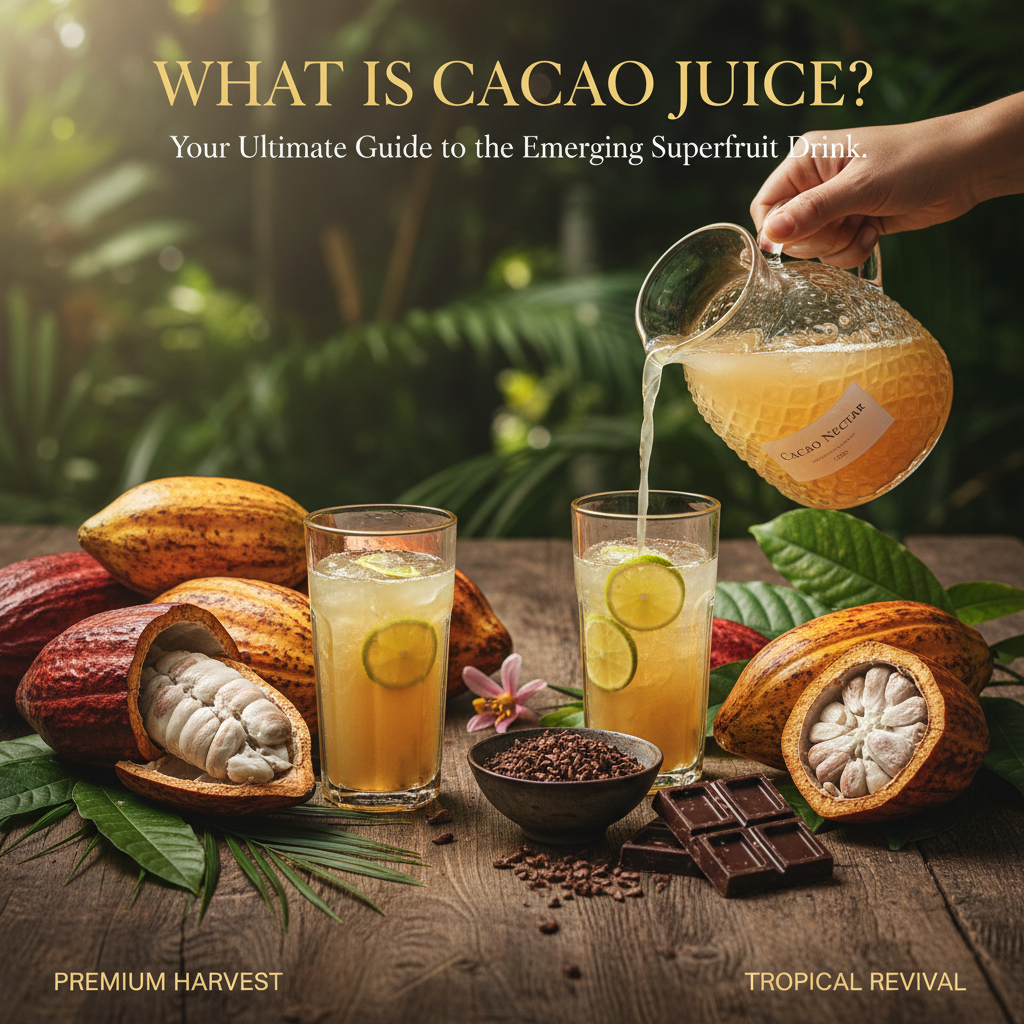
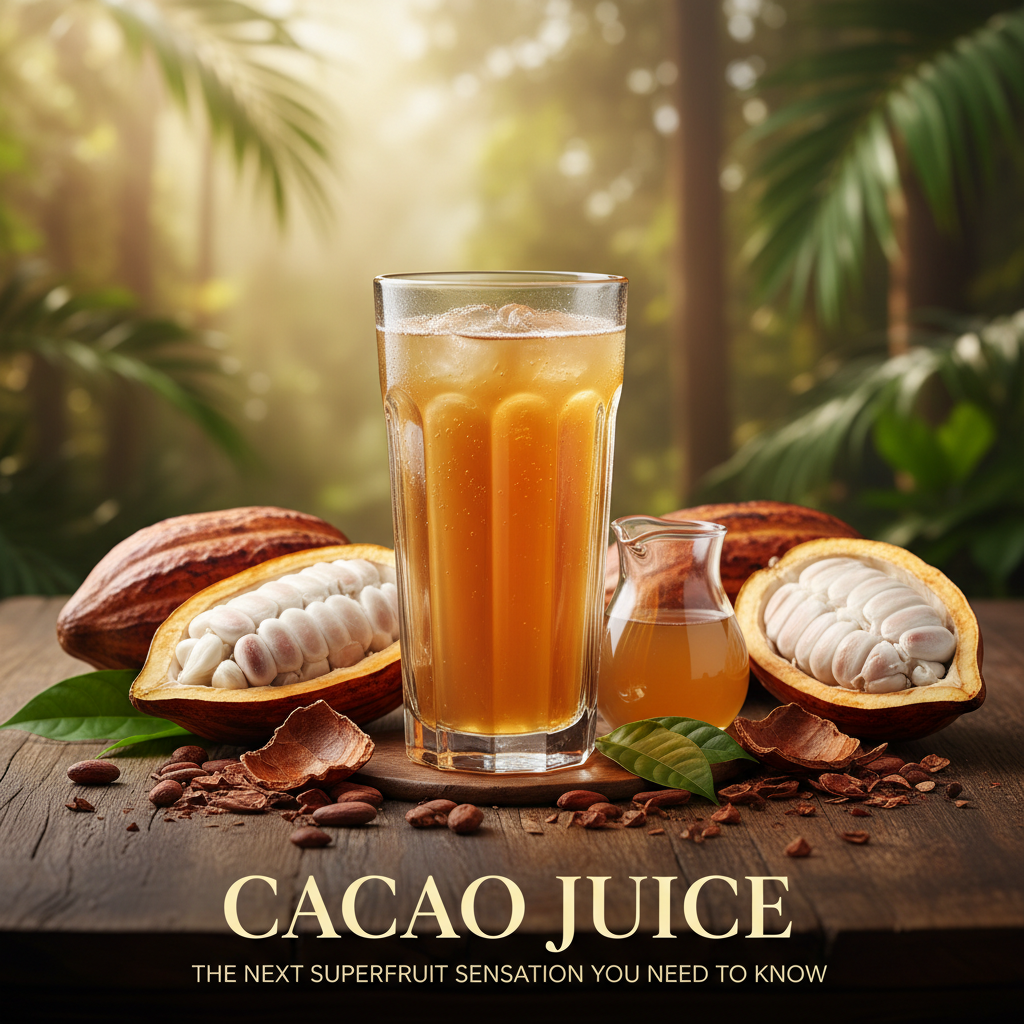
Cacao juice is pressed from the white pulp of the cacao fruit, a sweet-tart liquid that surrounds the cacao beans inside the pod. Often described as a tropical fruit juice, it offers a refreshing, lychee-like flavor with notes of passion fruit and pear. This once-discarded byproduct of chocolate production is now recognized as a potent superfood beverage, brimming with antioxidants and unique health benefits.
Welcome to WholeCacao.com, your ultimate guide to all things cacao. If you've ever wondered about the exciting new beverage taking the health world by storm, you've come to the right place. In this comprehensive guide, we'll dive deep into what is cacao juice, exploring its origins, flavor profile, nutritional value, and why it's quickly becoming a celebrated superfood. Prepare to have your understanding of cacao expanded far beyond chocolate!
Where Does Cacao Juice Come From? The Heart of the Cacao Pod
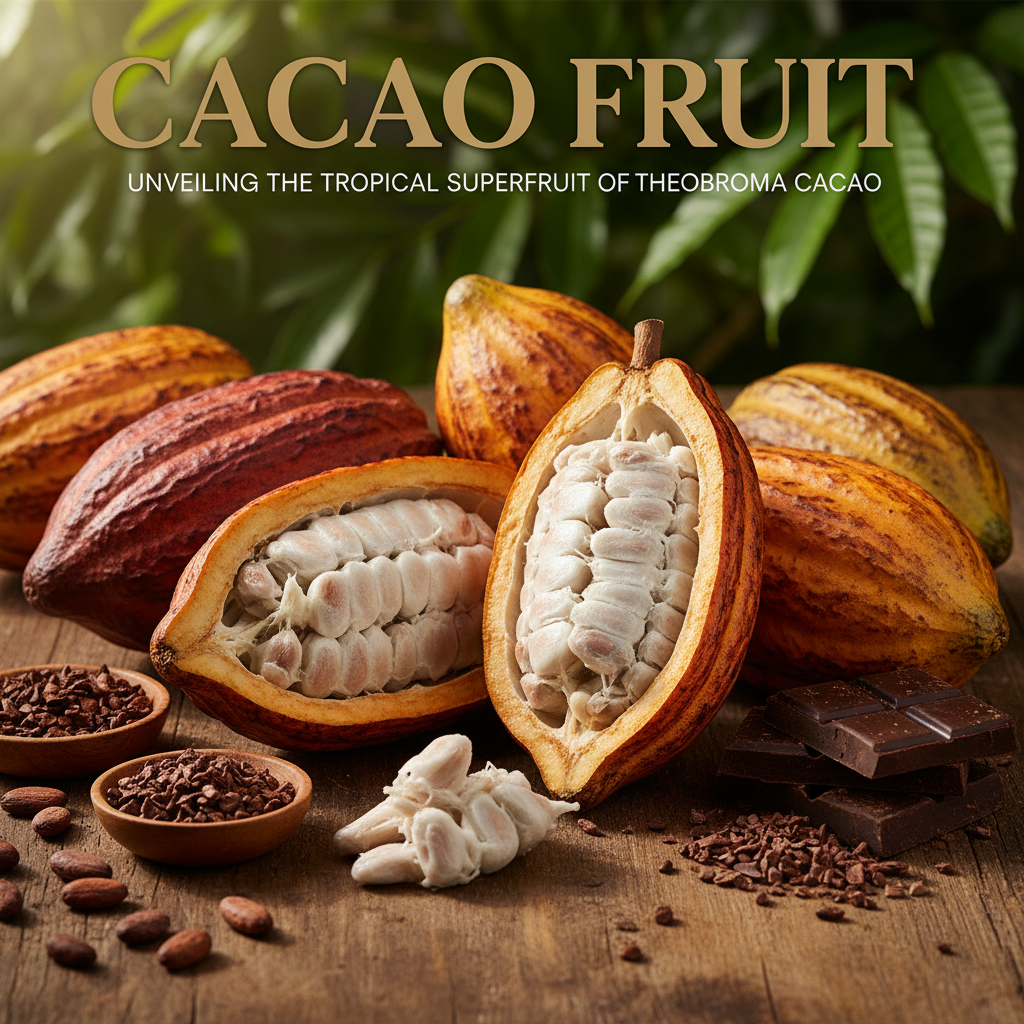
To truly understand cacao juice explained, we must journey to the heart of the Theobroma cacao fruit. Unlike cocoa powder or chocolate, which are derived from the fermented and roasted cacao beans, cacao juice is extracted directly from the glistening white fruit pulp that encases these beans within the vibrant cacao pod. This succulent cacao pulp, often referred to as mucilage, provides a protective and nutrient-rich environment for the developing beans. Historically, in traditional chocolate production, this pulp was largely discarded or used minimally, making cacao juice production a significant step towards a more sustainable cacao industry. The cacao tree, native to tropical regions, yields these pods, and it's from this fresh, raw fruit that the delicious and nutritious cacao fruit juice is carefully pressed.
What Does Cacao Juice Taste Like? A Symphony of Tropical Flavors
One of the most common questions we hear is, "What does cacao juice taste like?" Forget any preconceived notions of chocolate; the cacao juice taste is a revelation. Imagine a refreshing, sweet-tart elixir that transports you to a tropical paradise. The dominant cacao juice flavor notes are often compared to lychee, passion fruit, and pear, with some discerning palates detecting hints of mango or even subtle citrus. It's naturally sweet, yet balanced by a pleasant tanginess, making it incredibly invigorating. This unique flavor profile sets it apart from other fruit juices and makes it a versatile ingredient for beverages and culinary creations.
Cacao Juice Nutrition Facts: A Powerhouse of Goodness
Beyond its delightful taste, cacao juice nutrition is truly impressive. While specific values can vary slightly by brand and processing, here's a general overview of what you can expect from 100ml of pure cacao pulp juice:
- Calories: Approximately 40-60 kcal
- Sugar: Around 8-12g (naturally occurring fruit sugars)
- Vitamin C: A good source, contributing to immune health.
- Antioxidants: Rich in polyphenols, including flavanols.
- Flavanols: Key bioactive compounds responsible for many of its health benefits.
It's worth noting that cacao juice boasts an impressive antioxidant profile, containing up to 3x more antioxidants than green tea. This makes it a formidable ally in combating oxidative stress.
Cacao Juice vs. Coconut Water: A Refreshing Comparison
Both cacao juice and coconut water are celebrated for their hydrating properties and natural electrolytes. However, they offer distinct nutritional and flavor profiles. Here's a quick comparison:
| Feature | Cacao Juice | Coconut Water |
|---|---|---|
| Source | White pulp of cacao fruit | Clear liquid from young coconuts |
| Flavor Profile | Sweet-tart, tropical (lychee, passion fruit, pear) | Mild, slightly sweet, nutty |
| Key Nutrients | Vitamin C, high antioxidants, flavanols | Potassium, magnesium, electrolytes |
| Antioxidants | Very High (3x green tea) | Moderate |
| Sustainability Aspect | Upcycled byproduct of chocolate production | Primary product of coconut cultivation |
While both are excellent choices for hydration, cacao juice vs coconut water highlights cacao juice's superior antioxidant content and unique flavanol profile.
Cacao Juice vs. Chocolate: Understanding the Fundamental Difference
It's crucial to distinguish between cacao juice vs chocolate. Despite sharing the same origin fruit, they are entirely different products. Cacao juice is NOT chocolate. Here's why:
- Source Material: Cacao juice comes from the fresh cacao pulp. Chocolate is made from the fermented, dried, roasted, and ground cacao beans.
- Processing: Cacao juice is simply pressed and often pasteurized. Chocolate involves extensive processing, including fermentation, roasting, grinding, and often the addition of sugar, milk, and other ingredients.
- Flavor: Cacao juice is tropical, sweet-tart, and fruity. Chocolate is rich, bitter (in its purest form), and complex, with deep earthy and nutty notes.
- Nutritional Profile: While both offer benefits, cacao juice is rich in Vitamin C and specific flavanols in a fresh, unheated form. Chocolate's nutritional profile changes significantly during processing, and often contains higher fat and sugar content.
Think of it this way: cacao juice vs cocoa is like comparing fresh grape juice to a fine wine – same fruit, entirely different experience and product.
Health Benefits of Cacao Juice: A Superfood in the Making
Is cacao juice healthy? Absolutely! The health benefits of cacao juice are numerous, making it a true cacao juice superfood. Its rich composition of bioactive compounds contributes to overall well-being:
- Potent Antioxidants: As mentioned, cacao juice antioxidants are abundant, particularly flavanols. These powerful compounds help protect your cells from damage caused by free radicals, supporting cellular health and potentially reducing the risk of chronic diseases. The European Food Safety Authority (EFSA) even approved a flavanol health claim in 2012, highlighting their role in maintaining blood vessel elasticity.
- Cardiovascular Health: The flavanols in cacao juice are linked to improved blood flow and cardiovascular function, similar to those found in dark chocolate but without the added fats and sugars.
- Energy Boost: While not a stimulant like caffeine, the natural sugars and nutrients in cacao fruit juice can provide a sustained energy lift, making it an excellent pre- or post-workout beverage.
- Immune Support: The presence of Vitamin C contributes to a healthy immune system.
- Gut Health: Some research suggests that the prebiotics in cacao pulp can support a healthy gut microbiome, though more studies are ongoing.
Leading companies are recognizing this potential. Blue Stripes was named Fast Company's #1 Most Innovative Food Company in 2025 for their work with whole cacao, and Barry Callebaut launched Elix, a nutraceutical derived from cacao juice, in December 2025. Whole Foods also named whole cacao a top trend for 2025, underscoring its growing importance.
Is Cacao Juice Sustainable? A Zero-Waste Cacao Story
One of the most compelling aspects of cacao juice is its profound impact on sustainability. Historically, the delicious cacao pulp was a significant byproduct of chocolate production, often discarded or left to ferment and decompose. By utilizing this part of the fruit, cacao juice production transforms what was once waste into a valuable product. This "upcycled" approach contributes to a more circular economy within the cacao industry, offering additional income streams for farmers and reducing waste. It's a prime example of a zero-waste cacao story, making it an environmentally conscious choice for consumers.
Where to Buy Cacao Juice
As interest in cacao juice grows, so does its availability. You can find various brands offering cacao fruit juice in different forms:
- Specialty Grocery Stores: Look in the refrigerated beverage section of health food stores or upscale supermarkets.
- Online Retailers: Many brands sell directly through their websites or via large online marketplaces.
- Direct from Cacao Farms: Some innovative cacao farms and producers are now offering their fresh cacao pulp juice directly to consumers.
When purchasing, always check the cacao juice ingredients list to ensure you're getting pure cacao fruit juice without unnecessary additives. Look for pasteurized options for safety and shelf stability. Reading a few cacao juice review articles can also help you find a reputable brand.
Frequently Asked Questions About Cacao Juice
Q1: Is cacao juice the same as cocoa juice?
A: Yes, "cacao juice" and "cocoa juice" generally refer to the same product – the juice pressed from the white pulp of the cacao fruit. "Cacao" is the preferred term for the raw fruit and its derivatives before extensive processing, while "cocoa" typically refers to products made from roasted cacao beans, like cocoa powder.
Q2: Can I make cacao juice at home?
A: While technically possible if you have access to fresh cacao pods, it's challenging. The pulp is sticky and requires specific pressing techniques to extract the juice efficiently. Most consumers opt for commercially produced cacao juice.
Q3: What are the main differences between cacao juice and regular fruit juice?
A: While both are fruit juices, cacao juice stands out due to its exceptionally high concentration of unique flavanol antioxidants, which are less common in typical fruit juices. Its distinct tropical flavor profile is also quite unique.
Q4: Does cacao juice contain caffeine?
A: Cacao juice contains only trace amounts of caffeine, significantly less than what is found in coffee or even dark chocolate. The caffeine is primarily concentrated in the cacao beans, not the pulp.
Q5: What is the shelf life of cacao juice?
A: Fresh, unpasteurized cacao juice has a very short shelf life, similar to other fresh fruit juices. Commercially available, pasteurized versions typically have a shelf life of several months when refrigerated, similar to other bottled juices. Always check the best-by date on the packaging.
Q6: What is a flavanol?
A: A flavanol is a type of flavonoid, which is a class of plant-based chemical compound known for its antioxidant properties. Cacao is particularly rich in flavanols, which are associated with various health benefits, especially related to cardiovascular health.
From its origins in the heart of the cacao pod to its emergence as a sustainable and nutritious superfood, cacao juice is redefining our relationship with the cacao plant. It's a testament to innovation in the food industry, transforming a once-overlooked byproduct into a celebrated beverage. At WholeCacao.com, we are thrilled to witness this exciting evolution and encourage you to explore the vibrant world of cacao juice.
Ready to learn more about this incredible tropical elixir? Explore Cacao Juice and discover its full potential!