Cacao Fruit: Unveiling the Tropical Superfruit of Theobroma Cacao
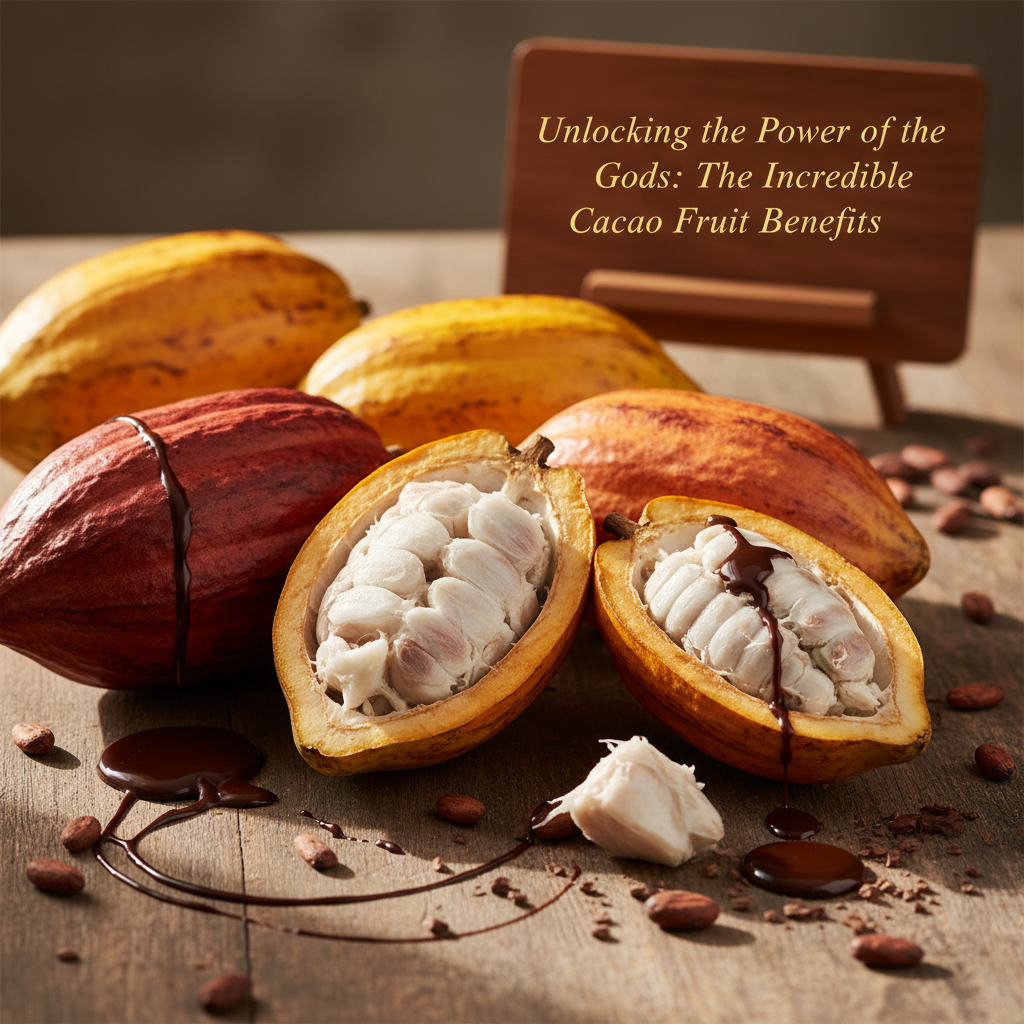
The cacao fruit, often overshadowed by its famous offspring, chocolate, is a remarkable tropical superfruit from the Theobroma cacao tree. Most people have never tasted this vibrant, football-shaped pod, yet it holds a treasure trove of flavor and nutrition. At WholeCacao.com, we’re dedicated to revealing the full potential of this incredible plant, especially the often-overlooked whole cacao fruit itself.
This comprehensive guide will take you on a journey through the anatomy, taste, nutrition, and sustainable future of the cacao fruit, empowering you with knowledge about this ancient yet rediscovered superfood. Prepare to redefine your understanding of cacao beyond just beans and chocolate.
The Anatomy of the Cacao Pod: A Treasure Chest of Nature
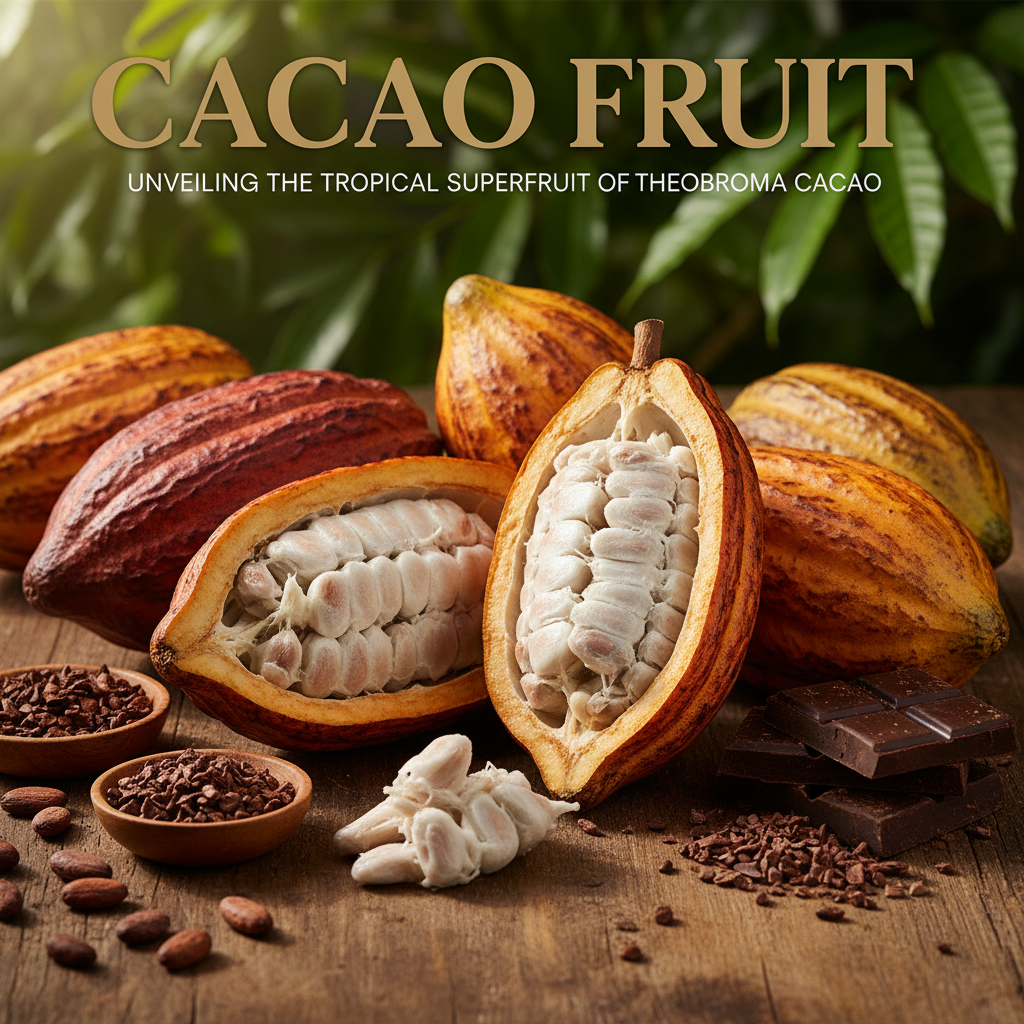
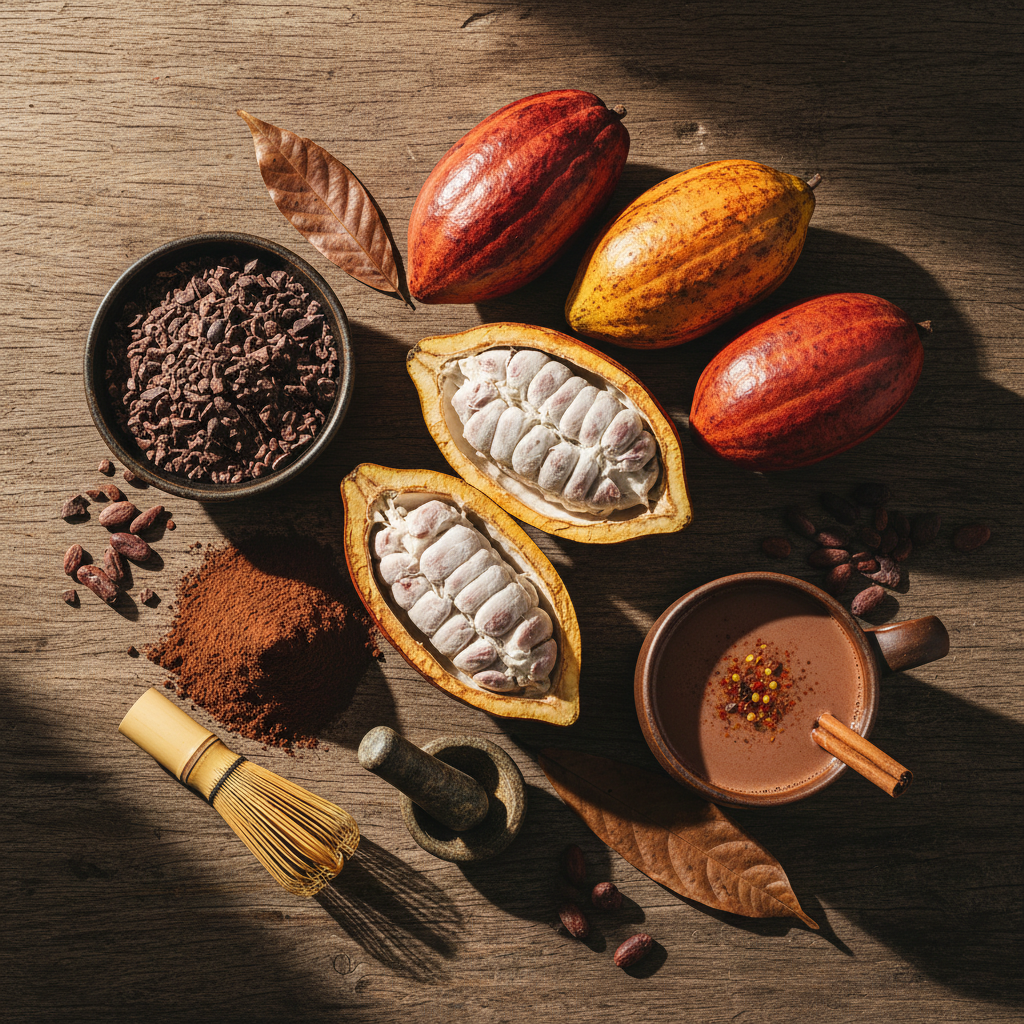
The cacao pod is a marvel of nature, a sturdy, colorful vessel protecting the precious contents within. Understanding its different parts is key to appreciating the whole cacao experience.
The Cacao Pod (Exocarp)
The outer shell, or exocarp, of the cacao pod is tough and leathery, ranging in color from vibrant green to yellow, orange, and even deep red or purple as it ripens. This protective layer shields the delicate interior from pests and environmental damage. Farmers carefully monitor the color and texture of the pod to determine the optimal harvest time for the fresh cacao fruit.
The Cacao Pulp (Mucilage)
Nestled inside the pod, surrounding each bean, is a sweet, white, sticky substance known as cacao pulp or cacao mucilage. This is the true heart of the cacao fruit experience for many, offering a unique flavor profile unlike anything else. Traditionally, this pulp was often discarded or used minimally during fermentation of the beans. However, its delicious taste and nutritional value are now being recognized, leading to innovative products like cacao fruit juice.
The Cacao Beans (Seeds)
Within the mucilage lie the cacao beans, which are technically the seeds of the theobroma cacao fruit. These are the components most familiar to consumers, as they are harvested, fermented, dried, roasted, and ground to produce cocoa powder, cocoa butter, and ultimately, delicious chocolate. Unprocessed, these are known as raw cacao beans. It's important to remember that the beans are just one part of the larger cacao fruit.
The Husk (Endocarp)
The innermost layer of the pod, separating the pulp from the outer shell, is the husk. While less commonly utilized, research is exploring its potential for various applications, contributing to the zero-waste ethos surrounding upcycled cacao.
What Does Cacao Fruit Taste Like? A Tropical Surprise!
Perhaps the most surprising aspect of the cacao fruit for newcomers is its taste. Forget the bitterness of dark chocolate or the sweetness of milk chocolate; the cacao fruit taste is a revelation. The cacao fruit pulp is often described as a delightful blend of tropical flavors:
- Sweet and Tangy: It has a natural sweetness balanced by a pleasant tartness.
- Fruity Notes: Many people detect notes of lychee, pear, mango, and even passion fruit.
- Subtle Citrus: A hint of citrusy brightness adds to its refreshing quality.
- Slightly Floral: Some describe a delicate floral undertone.
The experience of eating fresh cacao fruit is truly unique, offering a refreshing and exotic flavor that stands apart from any other fruit. It’s a taste that surprises and delights, making it a perfect candidate for cacao fruit juice, smoothies, or simply enjoyed on its own.
Cacao Fruit Nutrition Facts: A Powerhouse of Health
Beyond its delicious flavor, the cacao fruit is a nutritional powerhouse, solidifying its status as a true cacao fruit superfood. The cacao fruit benefits are extensive, offering a rich array of vitamins, minerals, and antioxidants. While the exact nutritional profile can vary, here’s what makes it so special:
- Vitamin C: A significant source of this essential antioxidant, crucial for immune function and skin health.
- B Vitamins: Contains various B vitamins, including B1 (thiamine), B2 (riboflavin), and B3 (niacin), vital for energy metabolism.
- Magnesium: An important mineral for muscle and nerve function, blood sugar control, and blood pressure regulation.
- Potassium: Essential for maintaining fluid balance, nerve signals, and muscle contractions.
- Polyphenols: Like its bean counterpart, the pulp is rich in antioxidant polyphenols, which combat oxidative stress and inflammation.
- Prebiotic Fiber: The mucilage provides valuable prebiotic fiber, supporting gut health by feeding beneficial gut bacteria.
These nutrients contribute to the growing recognition of cacao fruit as a valuable addition to a healthy diet, offering benefits that extend far beyond just the chocolate made from its seeds. Scientific studies are increasingly exploring the specific health advantages of consuming the whole fruit.
The Zero-Waste Story: WholeCacao's Commitment to the Whole Fruit
One of the most compelling aspects of the cacao fruit is its potential for sustainability. Traditionally, a staggering 70% of the cacao pod is wasted, with only the beans being used for chocolate production. The delicious cacao pulp, the husk, and other components are often discarded during the fermentation process.
At WholeCacao.com, we are pioneering the movement towards upcycled cacao and embracing the concept of whole cacao fruit utilization. This commitment not only reduces waste but also unlocks new economic opportunities for cacao farmers and provides consumers with novel, nutritious products. Whole Foods recognized 'whole cacao' as a top trend for 2024, highlighting the growing consumer demand for sustainable and innovative food solutions. By utilizing the entire theobroma cacao fruit, we minimize environmental impact and maximize the value derived from each harvest, creating a truly sustainable model.
Cacao Fruit vs. Cacao Beans: It's Not Chocolate!
It's a common misconception that cacao fruit tastes like chocolate. Let's be clear: the cacao fruit is NOT chocolate. Chocolate is made from processed cacao beans (seeds), which undergo fermentation, drying, roasting, and grinding. These processes develop the characteristic chocolate flavor we know and love.
The cacao fruit, particularly its pulp, offers a fresh, tangy, and sweet tropical flavor that is entirely distinct from chocolate. While both come from the same cacao tree (or cocoa tree), their culinary applications and taste profiles are vastly different. Think of it like a coffee cherry versus roasted coffee beans – same plant, different experience. When you eat cacao fruit, you're enjoying the pure, unadulterated essence of the plant, a world away from milk chocolate or cocoa powder.
How Cacao Fruit is Harvested and Processed
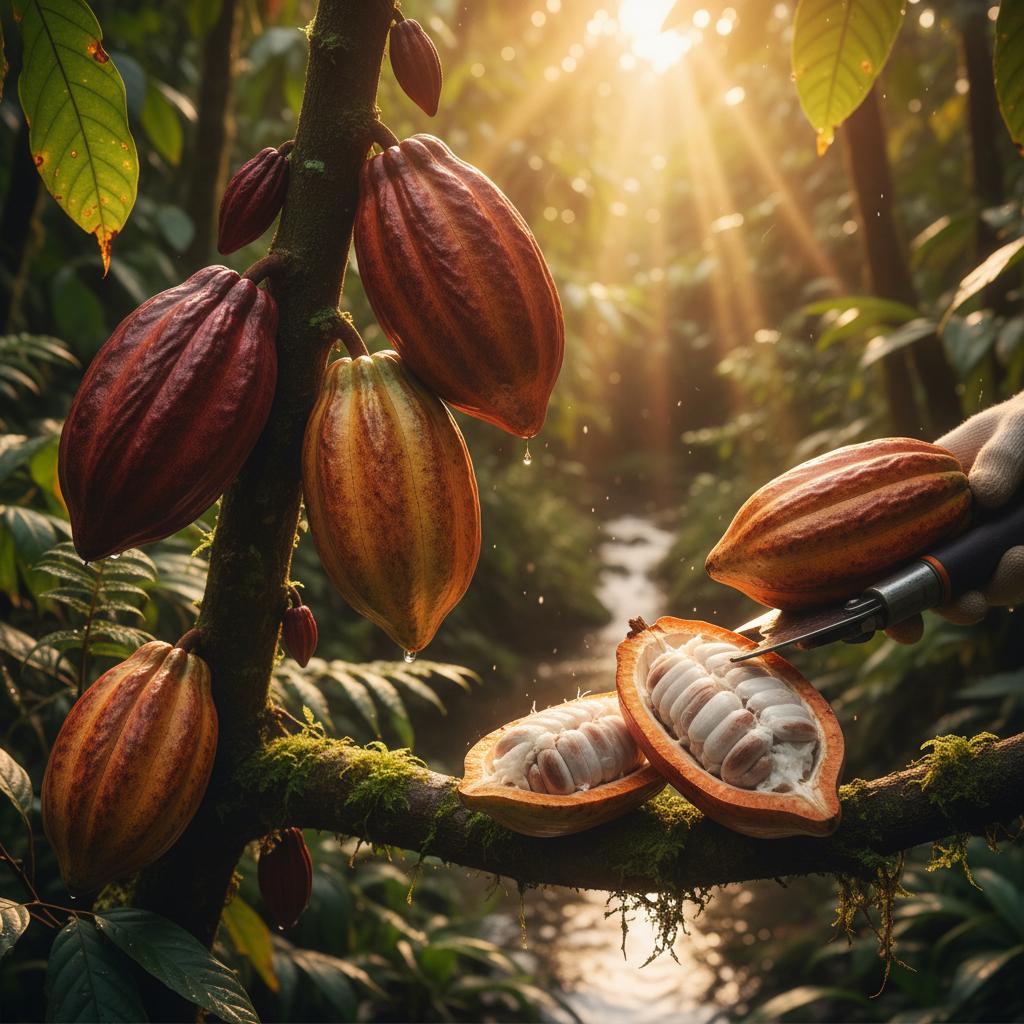
The journey of the cacao fruit from tree to product is a meticulous one, especially when focusing on utilizing the whole fruit. Farmers typically harvest the ripe cacao pods by hand, using a machete or a special knife to carefully remove them from the cacao plants without damaging the tree or other pods.
Once harvested, the pods are opened, and the cacao beans, encased in their white cacao mucilage, are carefully extracted. For traditional chocolate production, these bean-and-pulp masses are then fermented. However, for whole cacao fruit products, the pulp is often separated from the beans before or during a specialized fermentation process. This allows for the collection of the delicious cacao fruit juice or the direct use of the pulp in other applications. The beans then proceed through their usual processing to become raw cacao beans, cacao nibs, or eventually, delicious chocolate.
Products Made from Cacao Fruit: Innovating with Nature
The rising interest in whole cacao has spurred innovation, leading to an exciting array of products that showcase the unique qualities of the cacao fruit beyond just chocolate. WholeCacao.com is at the forefront of this movement, bringing these incredible offerings to the market:
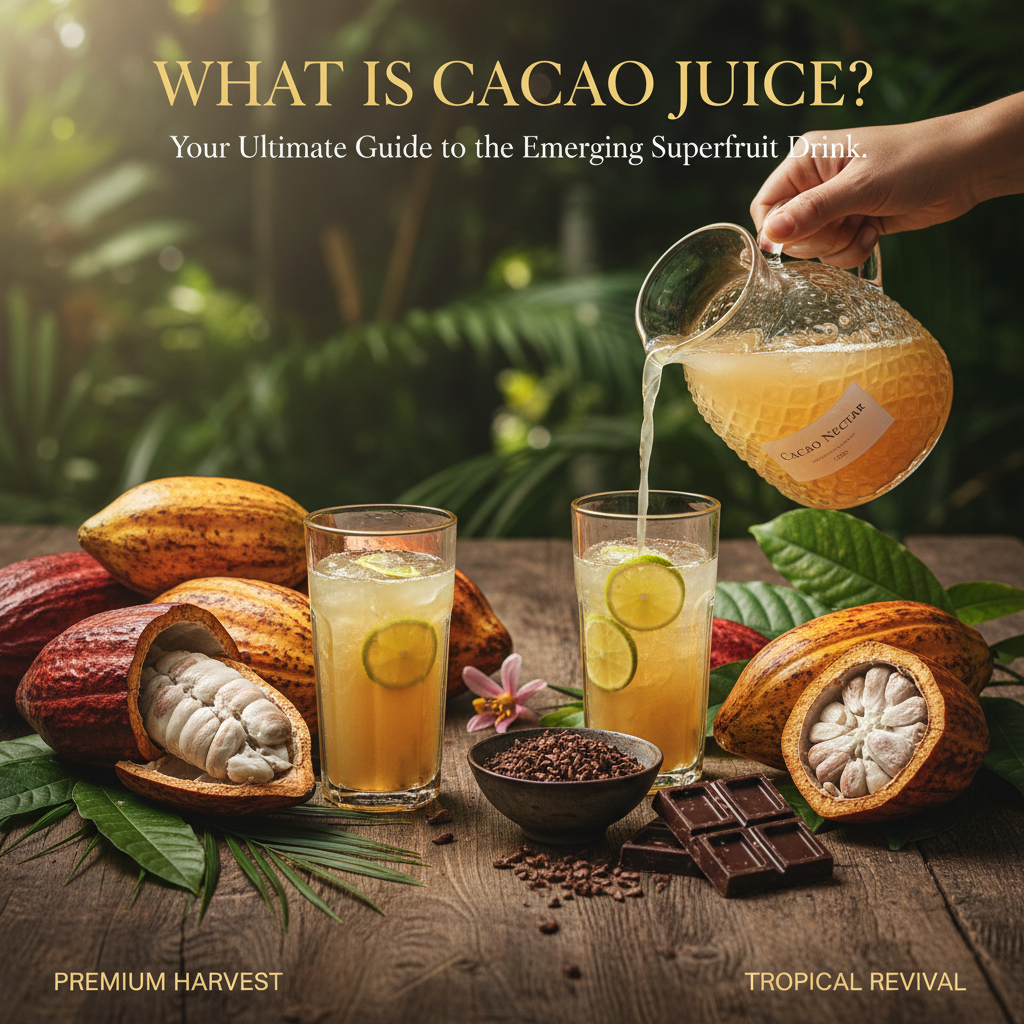
- Cacao Fruit Juice: This refreshing and naturally sweet-tart beverage is extracted directly from the cacao fruit pulp. It's a fantastic way to experience the pure cacao fruit taste. Learn more about Cacao Juice here.
- Cacao Fruit Water: A lighter, hydrating option, offering subtle tropical notes and natural electrolytes.
- Cacao Fruit Pulp: Available in frozen or pureed forms, the raw pulp can be used in smoothies, desserts, or as a unique topping for yogurt and other fresh fruits.
- Cacao Fruit Kombucha: Fermented with the pulp, this offers a probiotic-rich drink with a distinctive tropical tang.
- Sparkling Cacao Fruit Beverages: Carbonated drinks that capture the effervescent and refreshing qualities of the fruit.
- Cacao Fruit Nectars and Syrups: Concentrated forms that can be used as natural sweeteners or flavorings.
These products not only offer new culinary experiences but also represent a significant step towards a more sustainable and zero-waste cacao industry. Explore our range of products to experience the full spectrum of cacao fruit benefits.
Frequently Asked Questions About Cacao Fruit
Q: Can you eat cacao fruit raw?
A: Yes, absolutely! The fresh cacao fruit pulp is delicious and safe to eat raw. Many people enjoy sucking the sweet, tangy mucilage directly off the beans. Just be sure to spit out the raw cacao beans, as they are quite bitter on their own.
Q: What is the difference between cacao and cocoa?
A: The terms "cacao" and "cocoa" are often used interchangeably, but there's a distinction. "Cacao" generally refers to the plant (Theobroma cacao), the cacao fruit, or the raw, unprocessed beans. "Cocoa" typically refers to cacao beans that have been roasted and processed into products like cocoa powder or cocoa butter. So, raw cacao is the less processed form.
Q: Is cacao fruit good for you?
A: Yes, cacao fruit is incredibly good for you! It's rich in vitamins (especially Vitamin C and B vitamins), minerals (magnesium, potassium), antioxidants (polyphenols), and prebiotic fiber. These nutrients contribute to immune support, gut health, and overall well-being, making it a true cacao fruit superfood. Discover more about the extensive benefits of cacao here.
Q: What is cacao mucilage?
A: Cacao mucilage is the sweet, white, sticky pulp that surrounds the cacao seeds (beans) inside the cacao pod. It's the primary source of the delicious cacao fruit taste and is used to make products like cacao fruit juice and other innovative whole cacao beverages. Find out more about what cacao juice is here.
Q: Where can I buy cacao fruit products?
A: As awareness of whole cacao grows, products like cacao fruit juice, pulp, and sparkling beverages are becoming more available. WholeCacao.com is your premier destination for high-quality, sustainably sourced cacao fruit products. We are committed to bringing the best of the theobroma cacao fruit directly to you.
Embrace the Full Potential of Cacao with WholeCacao.com
The cacao fruit is more than just the origin of chocolate; it's a vibrant, nutritious, and incredibly versatile tropical superfruit. By understanding and utilizing the entire cacao pod, from its delicious cacao fruit pulp to its health-boosting properties, we unlock a world of sustainable possibilities and culinary delights. At WholeCacao.com, we are passionate about educating the world about the true essence of theobroma cacao fruit and championing the zero-waste movement. Join us in exploring the incredible benefits and flavors of whole cacao, and discover why this ancient fruit is poised to become the next big superfood sensation. Explore our site for more insights into ceremonial cacao and the broader world of this extraordinary plant.