Cacao Pulp: The Sweet, Tangy Superfood You Never Knew Existed
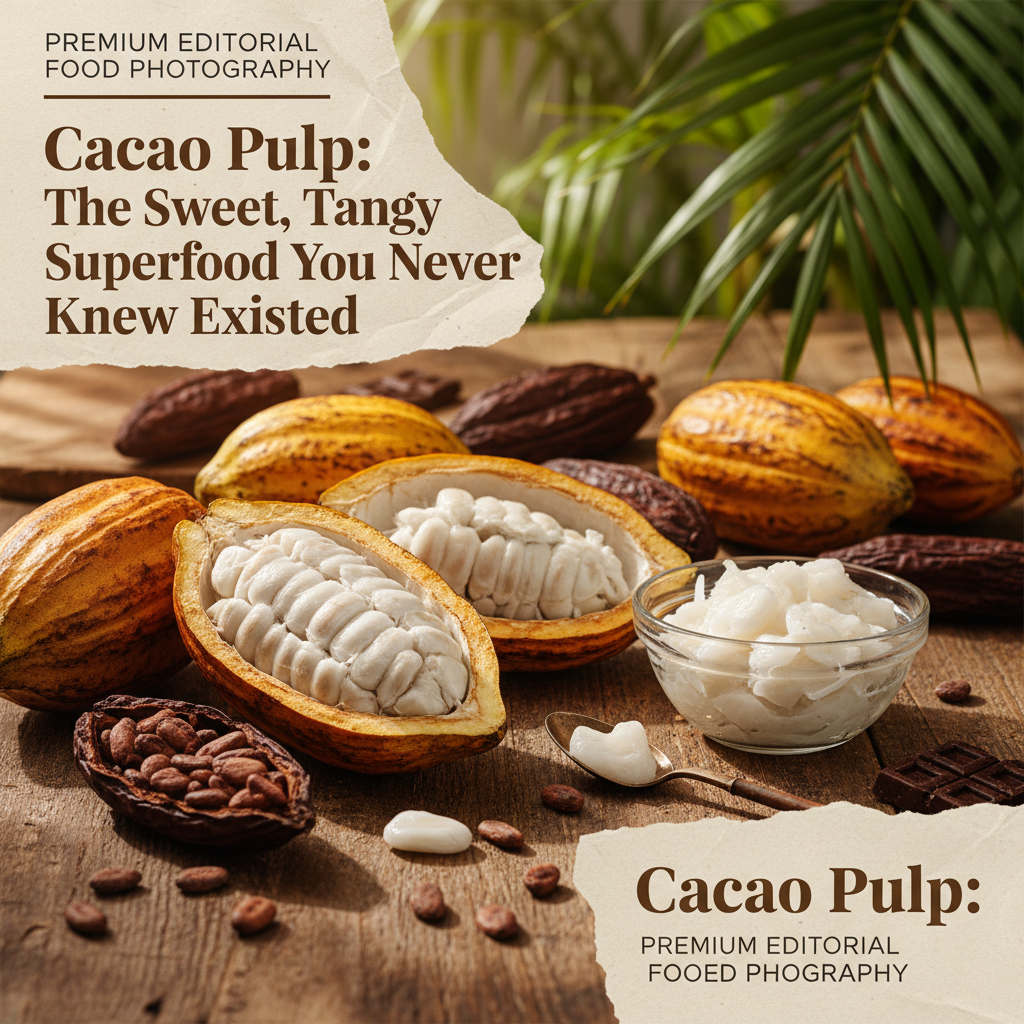
Cacao pulp is the white, tropical-tasting flesh that encases cacao beans within the cacao pod. Often referred to as cacao mucilage or cocoa pulp, this naturally sweet and tangy substance is the source of refreshing cacao pulp juice and is gaining recognition for its unique flavor profile and impressive nutritional benefits. Once largely discarded during chocolate production, cacao pulp is now celebrated as a valuable superfood ingredient, offering a sustainable and delicious way to enjoy more of the incredible cacao fruit.
At WholeCacao.com, the world's #1 resource for cacao, we're dedicated to uncovering every facet of this remarkable plant. In this comprehensive guide, we'll dive deep into the world of cacao pulp, exploring its origins, flavor, nutritional powerhouse, diverse uses, and its pivotal role in a more sustainable future for cacao.
Where Does Cacao Pulp Come From? Inside the Cacao Pod
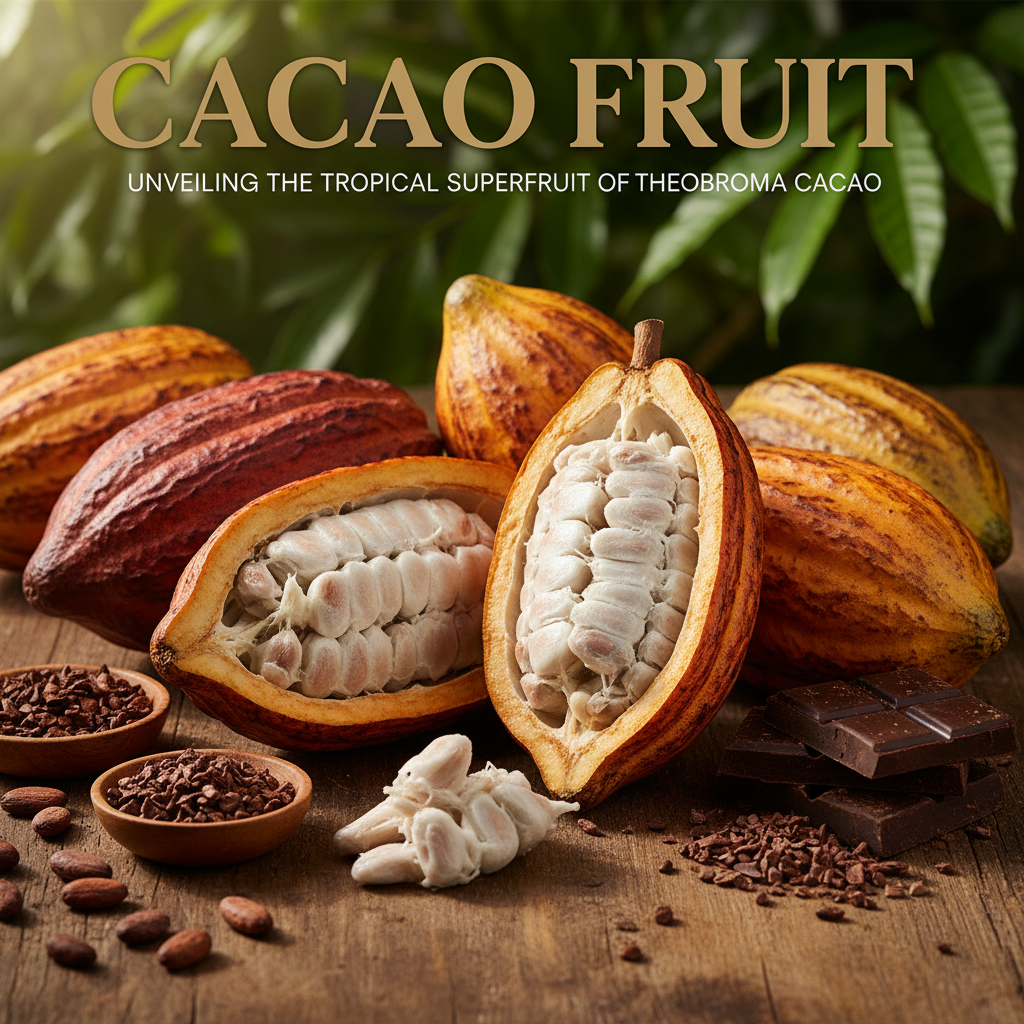
To truly understand cacao pulp, we must first look inside the remarkable cacao pod. This football-shaped fruit, native to tropical regions, houses 20-60 cacao beans, each individually wrapped in a thick, gelatinous, white coating – this is the cacao pulp. The pulp acts as a protective layer and plays a crucial role in the fermentation process that is essential for developing the characteristic flavor of chocolate.
The cacao fruit itself is a marvel of nature, with a tough outer husk protecting its precious contents. Once harvested, the pods are cracked open, revealing the beans nestled within their sweet, aromatic mucilage. Traditionally, cocoa farmers would often separate the beans from the pulp, using the pulp for fermentation and sometimes discarding the excess or consuming it fresh.
What Does Cacao Pulp Taste Like? A Tropical Symphony
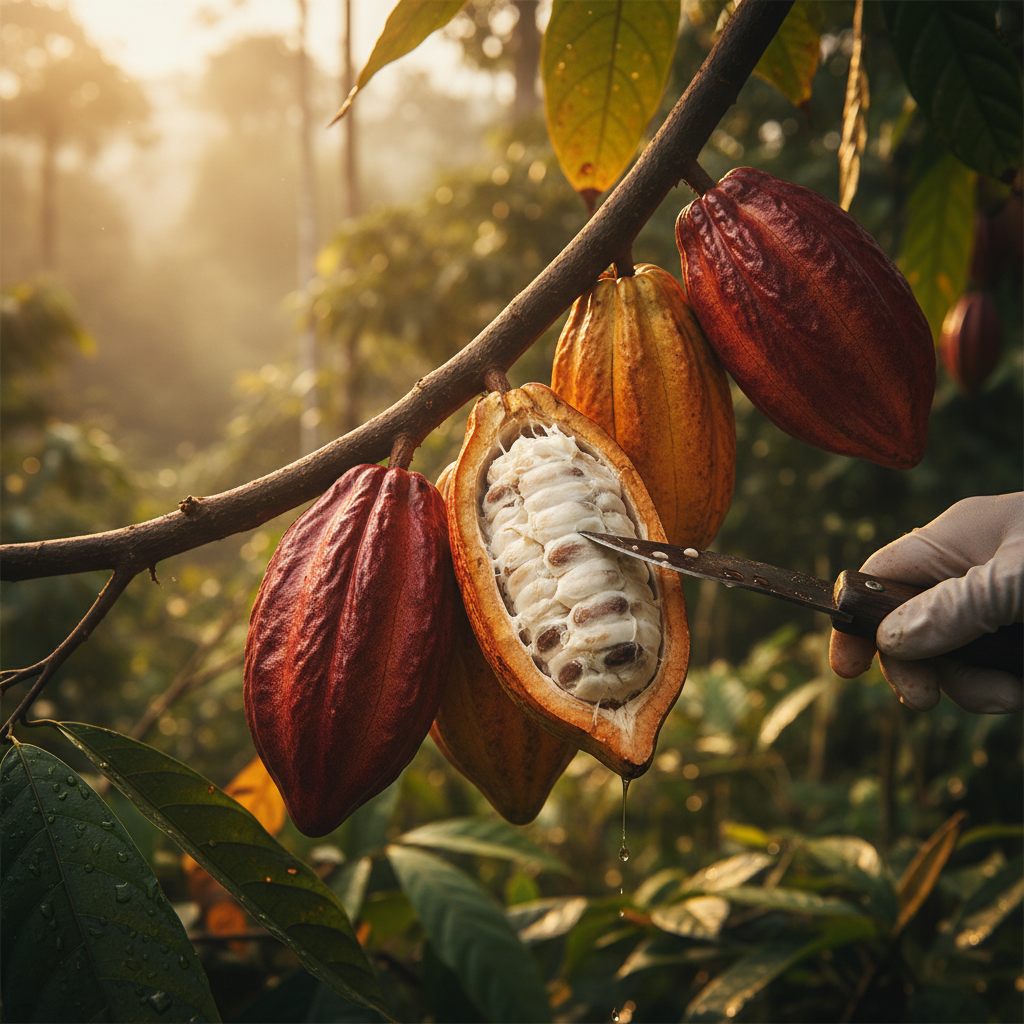
Prepare your taste buds for an adventure! The cacao pulp flavor is a delightful and complex blend that surprises many who are only familiar with the bitter notes of processed chocolate. Imagine a vibrant fusion of tropical fruits: the delicate sweetness of lychee, the zesty tartness of passion fruit, and the subtle crispness of pear. Some describe hints of mango, pineapple, and even a touch of honey.
This unique sweet-tart profile makes cacao pulp incredibly versatile. It's refreshing when consumed fresh, and its bright acidity can cut through richness in culinary applications. Unlike the intense bitterness of cacao beans, the pulp offers a naturally sweet and juicy experience, making it an instant favorite for those seeking new and exciting tropical flavors.
Cacao Pulp Nutrition Facts: A Powerhouse of Goodness
Beyond its delicious taste, cacao pulp boasts an impressive nutritional profile, making cacao pulp benefits extend far beyond mere flavor. It's packed with essential vitamins, minerals, and antioxidants, solidifying its status as a true superfood. While exact values can vary based on ripeness and variety, here's a general overview:
| Nutrient | Key Benefits |
|---|---|
| Vitamin C | Potent antioxidant, supports immune function, collagen production. |
| B Vitamins (especially B1, B2, B3) | Essential for energy metabolism, nerve function, and cell health. |
| Potassium | Helps maintain fluid balance, supports heart health and muscle function. |
| Magnesium | Involved in over 300 biochemical reactions, supports muscle and nerve function, blood sugar control. |
| Antioxidants (Polyphenols) | Combats oxidative stress, reduces inflammation, protects cells. |
| Prebiotic Fiber | Feeds beneficial gut bacteria, supports digestive health, promotes satiety. |
| Natural Sugars (Fructose, Glucose) | Provides natural energy. |
The Science Behind Cacao Pulp's Health Benefits
The high concentration of vitamin C in cacao pulp is particularly noteworthy, acting as a powerful antioxidant that helps protect the body from free radical damage. Studies have also highlighted the presence of various polyphenols, similar to those found in the beans, contributing to its antioxidant capacity. The prebiotic fiber content is excellent for gut health, fostering a healthy microbiome which is increasingly linked to overall well-being. Furthermore, the natural sugars provide a clean energy boost, making cacao pulp an ideal ingredient for invigorating drinks and snacks.
How Cacao Pulp Is Processed: From Pod to Product
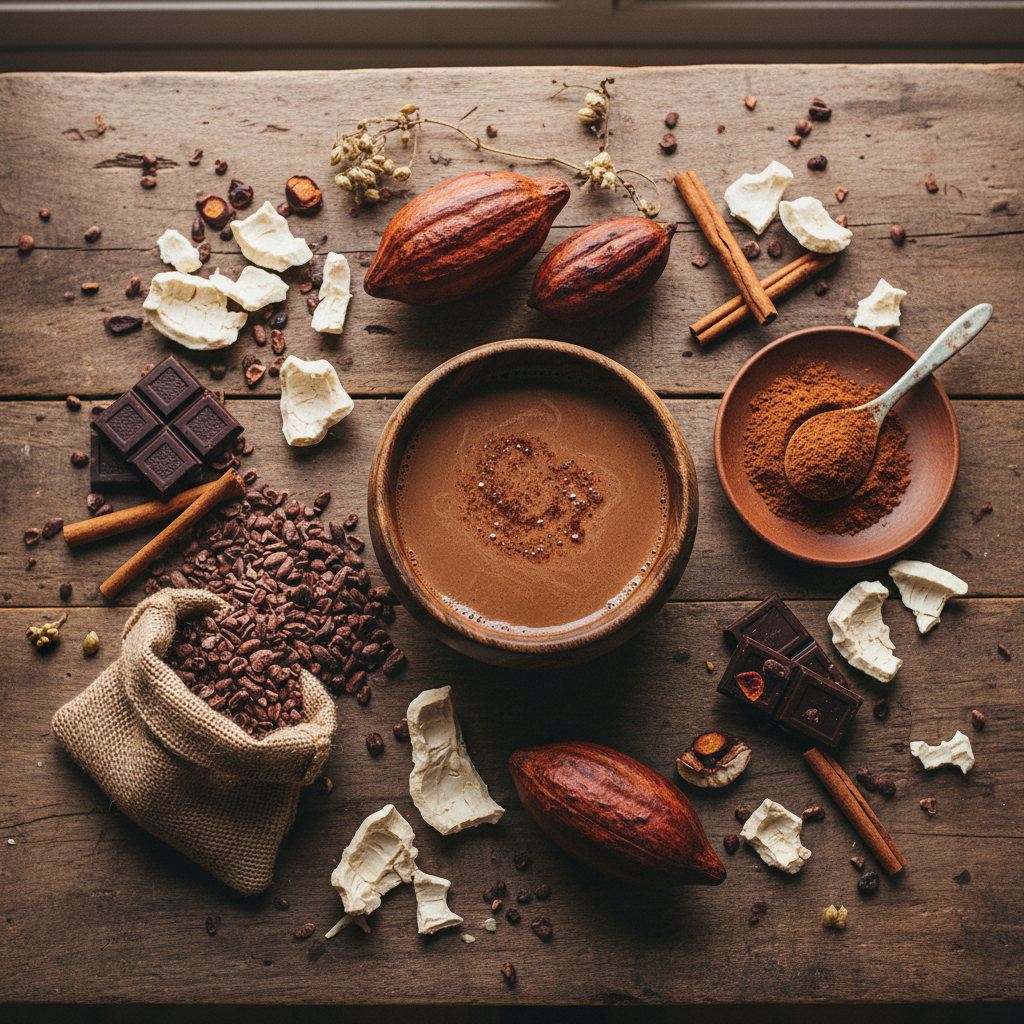
The processing of cacao pulp is evolving rapidly as its value becomes more recognized. Historically, the pulp's primary role was in the fermentation of cocoa beans. Now, innovative techniques are preserving its unique qualities for direct consumption.
Fresh Pressing for Cacao Pulp Juice
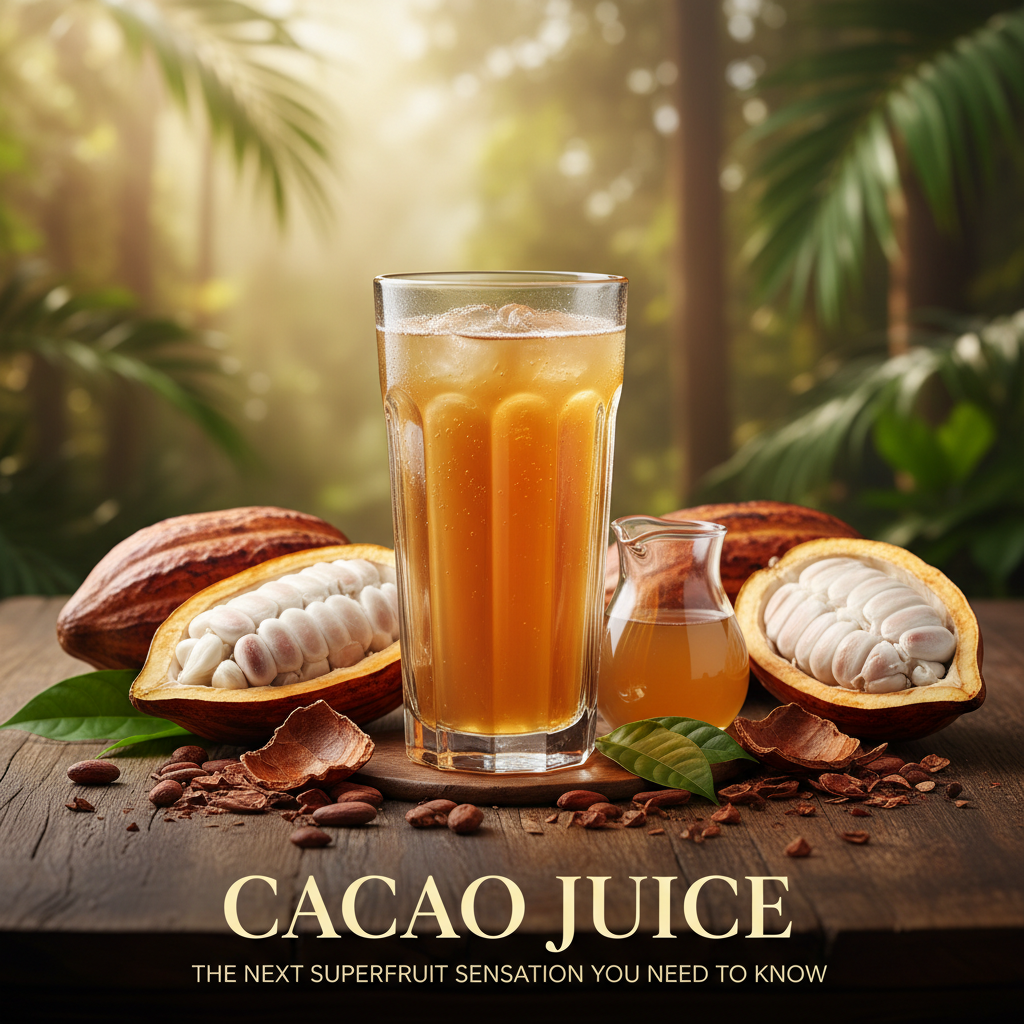
One of the most common methods involves fresh pressing the pulp to extract cacao pulp juice. This process carefully separates the juice from the beans and any remaining fibrous material. The resulting juice is then often pasteurized or flash-frozen to maintain its freshness and extend its shelf life. This method allows for the capture of the pulp's vibrant flavor and nutritional integrity, perfect for beverages and culinary uses.
Freeze-Drying for Cacao Pulp Powder
Another emerging technique is freeze-drying, which transforms the pulp into a concentrated powder. This method removes water while preserving the majority of the pulp's nutrients and flavor compounds. Cacao pulp powder offers a convenient way to incorporate the benefits of the pulp into a wider range of products, from smoothies to baked goods, without the need for refrigeration.
Fermentation and Beyond
While the primary fermentation of cacao beans utilizes the pulp, some producers are experimenting with controlled fermentation of the pulp itself to create unique flavor profiles for beverages or specialty ingredients. The goal of modern cacao pulp processing is to maximize yield and minimize waste, aligning with the growing demand for sustainable ingredients.
Uses of Cacao Pulp: Culinary Creativity Unleashed
The versatility of cacao pulp is truly remarkable, inspiring chefs, beverage creators, and food innovators worldwide. Its sweet-tart flavor and nutritional density make it suitable for a wide array of applications:
Refreshing Cacao Pulp Juice & Beverages
The most straightforward use is as a refreshing beverage. Cacao pulp juice can be enjoyed on its own, offering a naturally sweet and tangy drink. It also makes an excellent base for tropical concoctions, blended with coconut water, orange juice, or other fruit juices. Blue Stripes, for instance, has pioneered the use of cacao pulp in their popular juices and cacao pulp smoothie blends.
Culinary Delights: Desserts, Ice Creams, and More
The unique flavor of cacao pulp lends itself beautifully to desserts. It can be incorporated into sorbets, mousses, and even ice creams, providing a natural sweetness and a vibrant tropical note. Imagine a passion fruit and cacao pulp cheesecake, or a mango and cacao pulp panna cotta. Its acidity can also balance richer flavors in baked goods.
Innovative Cocktails and Mocktails
Bartenders are discovering the potential of cacao pulp in crafting sophisticated cocktails and mocktails. Its complex flavor profile can add depth and a tropical twist to spirits like rum or gin, or create invigorating non-alcoholic beverages.
Nutraceuticals and Functional Foods
The high nutritional value of cacao pulp positions it as a prime ingredient for the nutraceutical and functional food industries. Barry Callebaut's launch of Elix, a nutraceutical derived from cacao pulp, highlights its potential as a health-promoting ingredient. This signals a significant shift in how the industry views this once-overlooked part of the cacao fruit.
Cacao Pulp vs. Cacao Powder: What's the Difference?
It's easy to confuse different cacao products, but cacao pulp and traditional cacao powder are fundamentally different, originating from distinct parts of the cacao fruit and possessing unique characteristics.
Cacao Pulp
- Origin: The white, fleshy mucilage surrounding the cacao beans.
- Flavor: Sweet, tangy, tropical (lychee, passion fruit, pear, mango).
- Texture: Gelatinous, juicy when fresh; can be processed into juice or powder.
- Nutrients: High in Vitamin C, B vitamins, potassium, prebiotic fiber, natural sugars.
- Uses: Juices, smoothies, desserts, cocktails, nutraceuticals.
Cacao Powder (or Cocoa Powder)
- Origin: Made from dried, roasted, and ground cacao beans after the fat (cocoa butter) has been pressed out.
- Flavor: Bitter, rich, chocolatey.
- Texture: Fine powder.
- Nutrients: High in antioxidants (polyphenols), magnesium, iron, fiber (different type than pulp).
- Uses: Baking, hot chocolate, chocolate making, savory dishes.
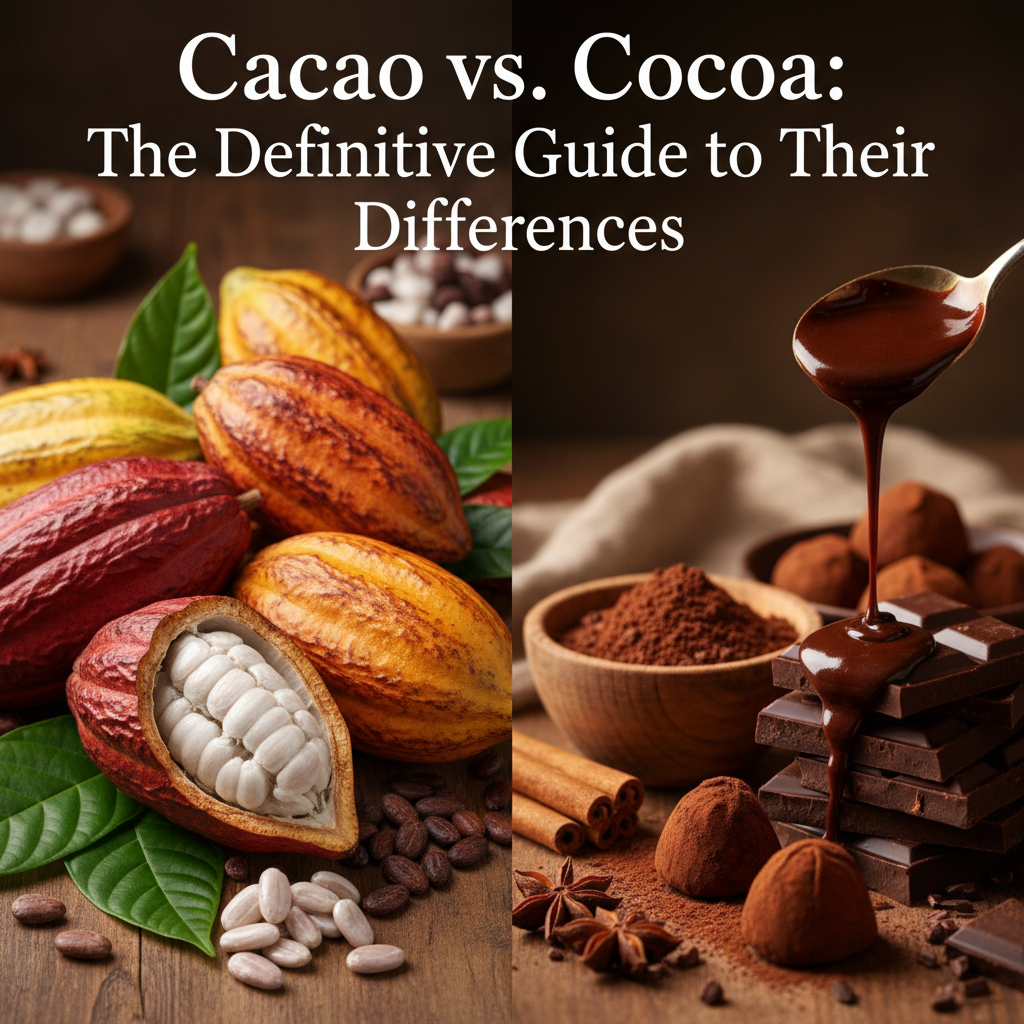
While both come from the cacao fruit, they offer entirely different sensory experiences and nutritional benefits. Think of cacao pulp as the fruit itself, and cacao powder as the concentrated essence of the seed.
The Sustainability Story: Why Cacao Pulp Matters (Upcycled, Zero-Waste)
The re-discovery and utilization of cacao pulp is a monumental step forward for sustainability in the cacao industry. Traditionally, an astonishing 70% of the cacao pod, including the valuable cacao pulp and cocoa husks, was discarded as waste after the beans were extracted for chocolate making. This massive waste represented lost nutritional value, economic potential, and environmental burden.
The movement to valorize cacao pulp aligns perfectly with the principles of the circular economy and zero-waste initiatives. By finding innovative uses for this once-discarded material, the industry is creating an upcycled certified ingredient. This means that more of the cacao fruit is being utilized, leading to:
- Reduced Waste: Less organic material goes to landfills or is left to rot, minimizing environmental impact.
- Increased Income for Farmers: Cocoa farmers can generate additional revenue from a part of the crop that was previously considered waste, improving their livelihoods and incentivizing sustainable practices.
- New Product Development: It opens doors for entirely new categories of food and beverage products, diversifying the market beyond traditional chocolate.
- Sustainable Positioning: Brands that incorporate cacao pulp upcycled ingredients can proudly showcase their commitment to environmental responsibility.
WholeCacao.com champions these efforts, recognizing that the future of cacao lies in maximizing the potential of every part of this incredible plant. The rise of cacao pulp sustainable products is a testament to innovation meeting environmental consciousness.
How to Use Cacao Pulp at Home (If Available Fresh or as Powder)
While fresh cacao pulp can be challenging to find outside of cacao-growing regions, its availability is increasing through specialized importers and online retailers. If you're lucky enough to get your hands on some, or if you're using freeze-dried cacao pulp powder, here are some ideas:
Fresh Cacao Pulp Ideas:
- Eat It Raw: Simply suck the sweet pulp off the beans! It's a delightful tropical treat.
- Cacao Pulp Juice: Blend the pulp with a little water, then strain. Serve chilled or over ice.
- Smoothies: Add fresh pulp to your favorite cacao pulp smoothie recipe for a tropical twist. It pairs well with mango, pineapple, or banana.
- Dessert Topping: Use fresh pulp as a garnish for yogurt, fruit salads, or even ice creams.
Cacao Pulp Powder Ideas:
- Smoothie Booster: Add a tablespoon or two of cacao pulp powder to your morning smoothie for a nutritional boost and a subtle tropical flavor.
- Baked Goods: Incorporate into muffins, cakes, or energy bars. It can add a unique flavor and nutritional density.
- Homemade Drinks: Stir into water, coconut water, or juices for a quick and easy refreshing drink.
- Yogurt or Oatmeal Mix-in: Sprinkle over your breakfast for added flavor and nutrients.
Always check the product's instructions for specific usage recommendations. As the market for cacao pulp grows, expect to see more accessible and innovative products making their way to your local stores.
Frequently Asked Questions About Cacao Pulp
What is cacao pulp?
Cacao pulp, also known as cacao mucilage or cocoa pulp, is the white, sweet, and tangy flesh that surrounds the cacao beans inside the cacao pod. It's a juicy, tropical-tasting part of the cacao fruit.
What does cacao pulp taste like?
The cacao pulp flavor is a unique blend of sweet and tart tropical notes, often described as tasting like lychee, passion fruit, pear, and sometimes mango. It's distinctly different from the bitter taste of chocolate.
Is cacao pulp healthy? What are the cacao pulp benefits?
Yes, cacao pulp is very healthy! It's rich in Vitamin C, B vitamins, potassium, magnesium, and antioxidants. It also contains prebiotic fiber, which supports gut health. These nutrients contribute to immune support, energy production, and overall well-being.
Can you eat cacao pulp raw?
Absolutely! Eating cacao pulp raw is a traditional way to enjoy it in cacao-growing regions. You simply suck the sweet, juicy pulp off the fresh cacao beans. It's a delightful and refreshing experience.
How is cacao pulp used?
Cacao pulp uses are diverse. It's pressed into cacao pulp juice for beverages, blended into cacao pulp smoothies, used in desserts like ice creams and sorbets, and even incorporated into cocktails. Its nutritional profile also makes it valuable for nutraceuticals and functional foods.
Is cacao pulp sustainable?
Yes, utilizing cacao pulp is highly sustainable. Traditionally, 70% of the cacao pod, including the pulp, was discarded. By processing and using the pulp, the cacao industry reduces waste, provides additional income for cocoa farmers, and creates upcycled certified ingredients, making it a key part of a zero-waste approach.
Explore the Full Potential of Cacao at WholeCacao.com
From the robust cacao beans that form the foundation of chocolate to the vibrant, sweet-tart cacao pulp, every part of the cacao fruit offers incredible value. As we've explored, cacao pulp is not just a delicious tropical treat but also a nutritional powerhouse and a symbol of sustainable innovation in the cacao industry. Its journey from overlooked byproduct to celebrated superfood highlights the ingenuity and growing awareness within the global food system.
At WholeCacao.com, we are committed to being your definitive resource for all things cacao. We encourage you to delve deeper into the fascinating world of this extraordinary plant. Discover more about the origins, benefits, and diverse applications of cacao, and join us in celebrating its full potential.