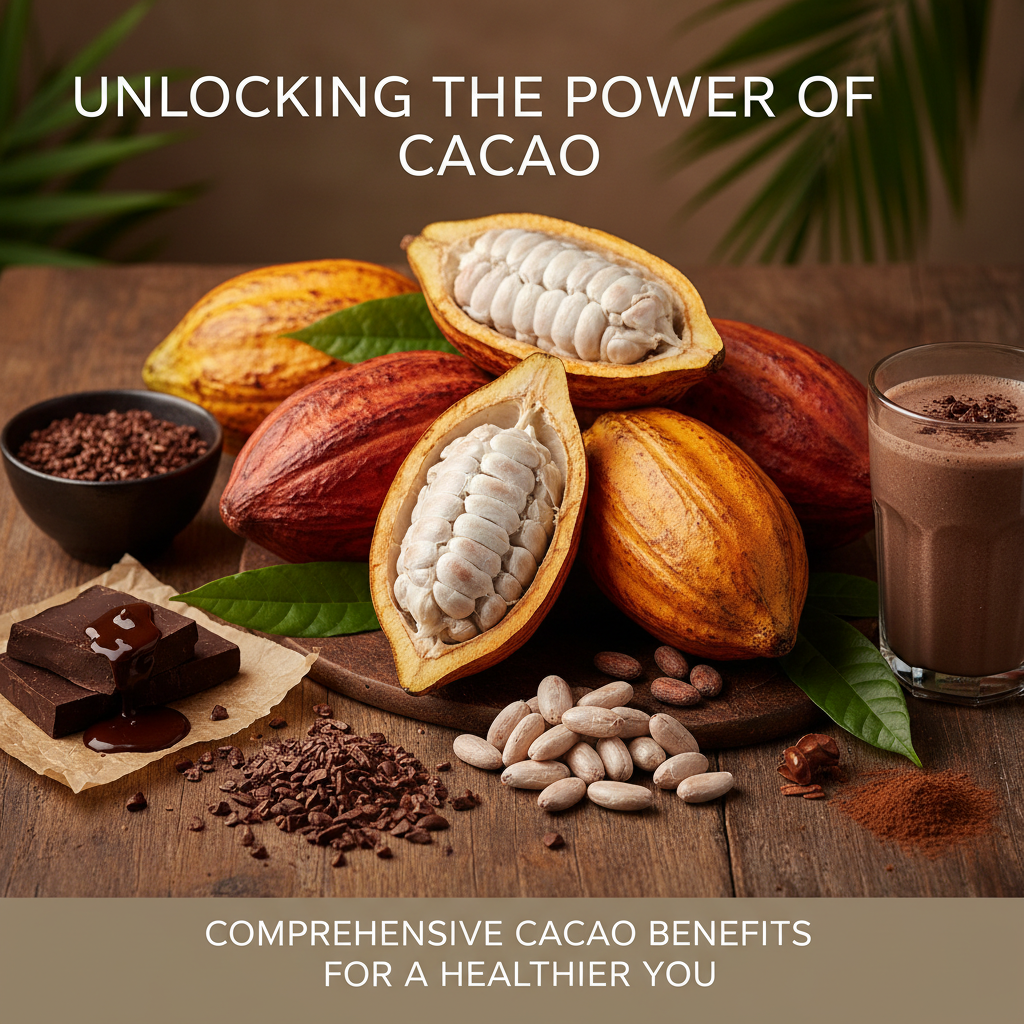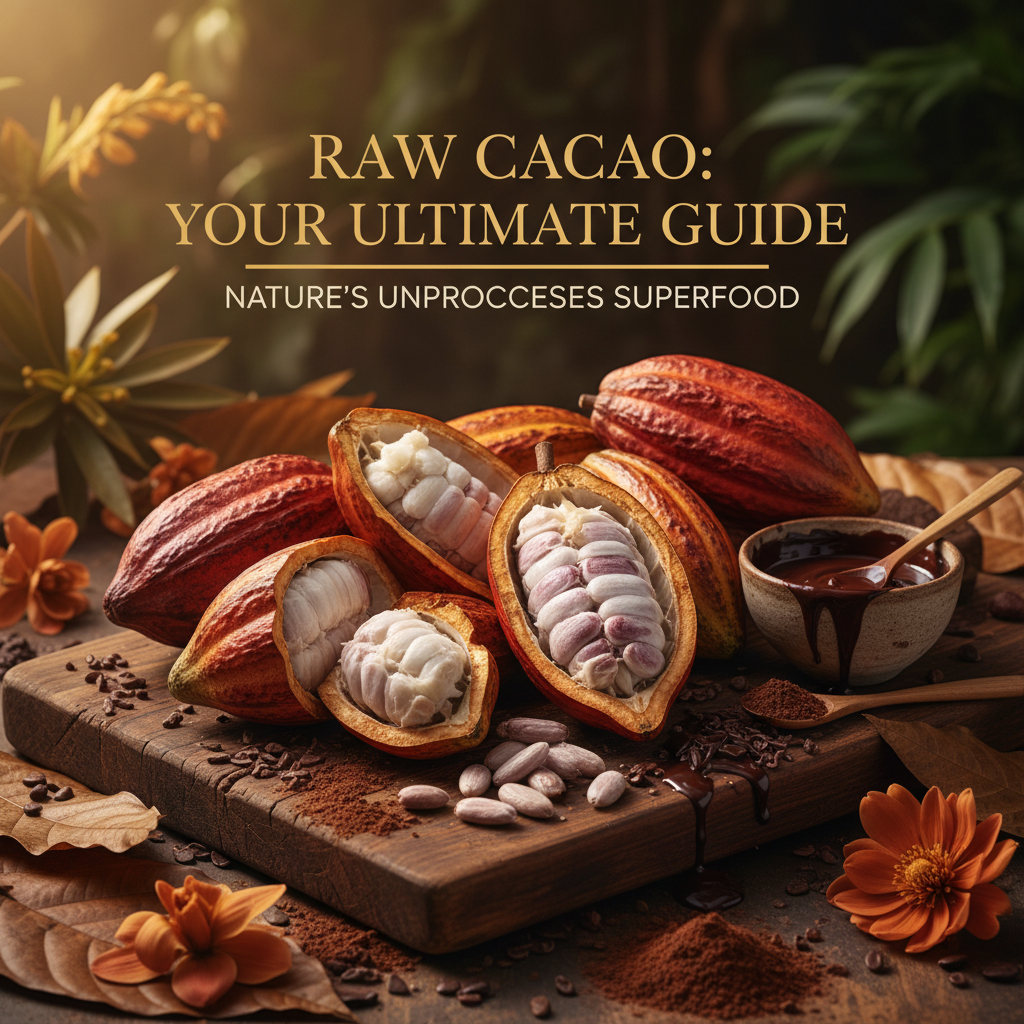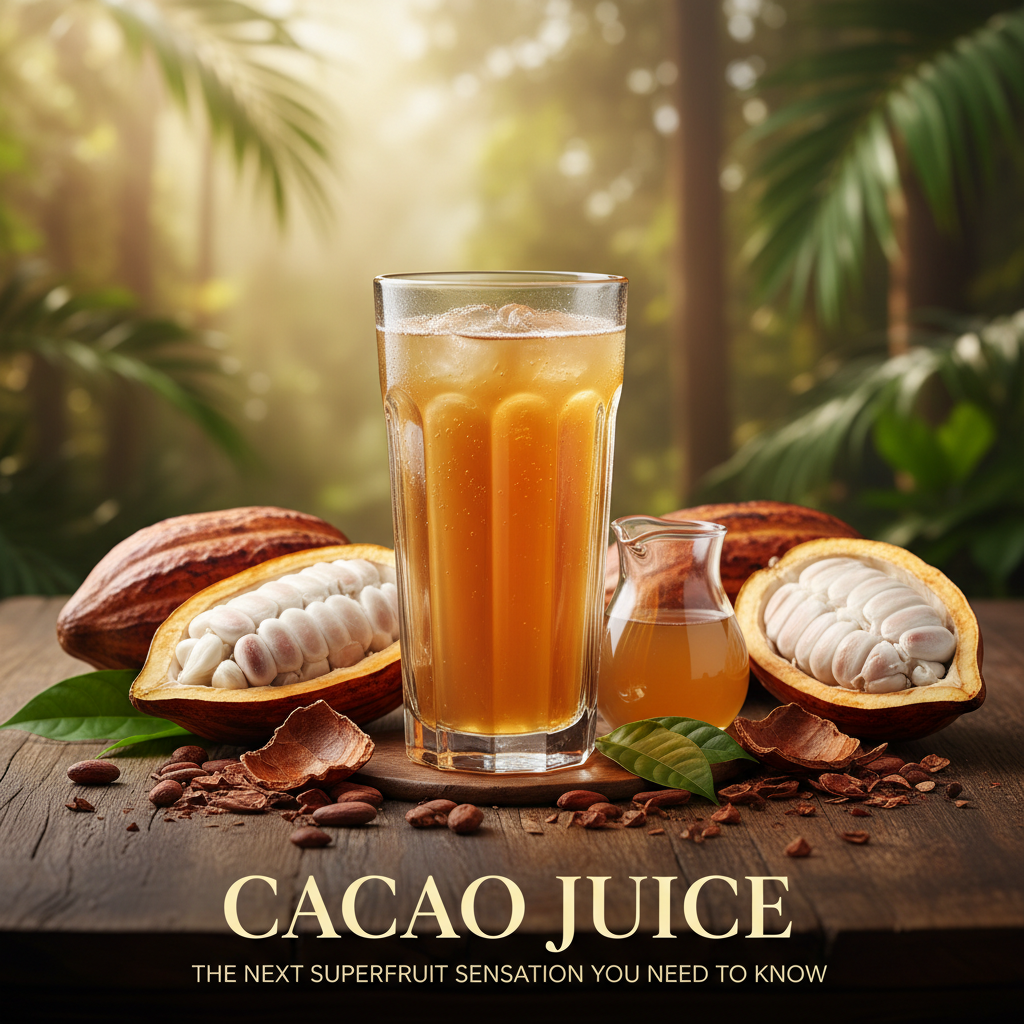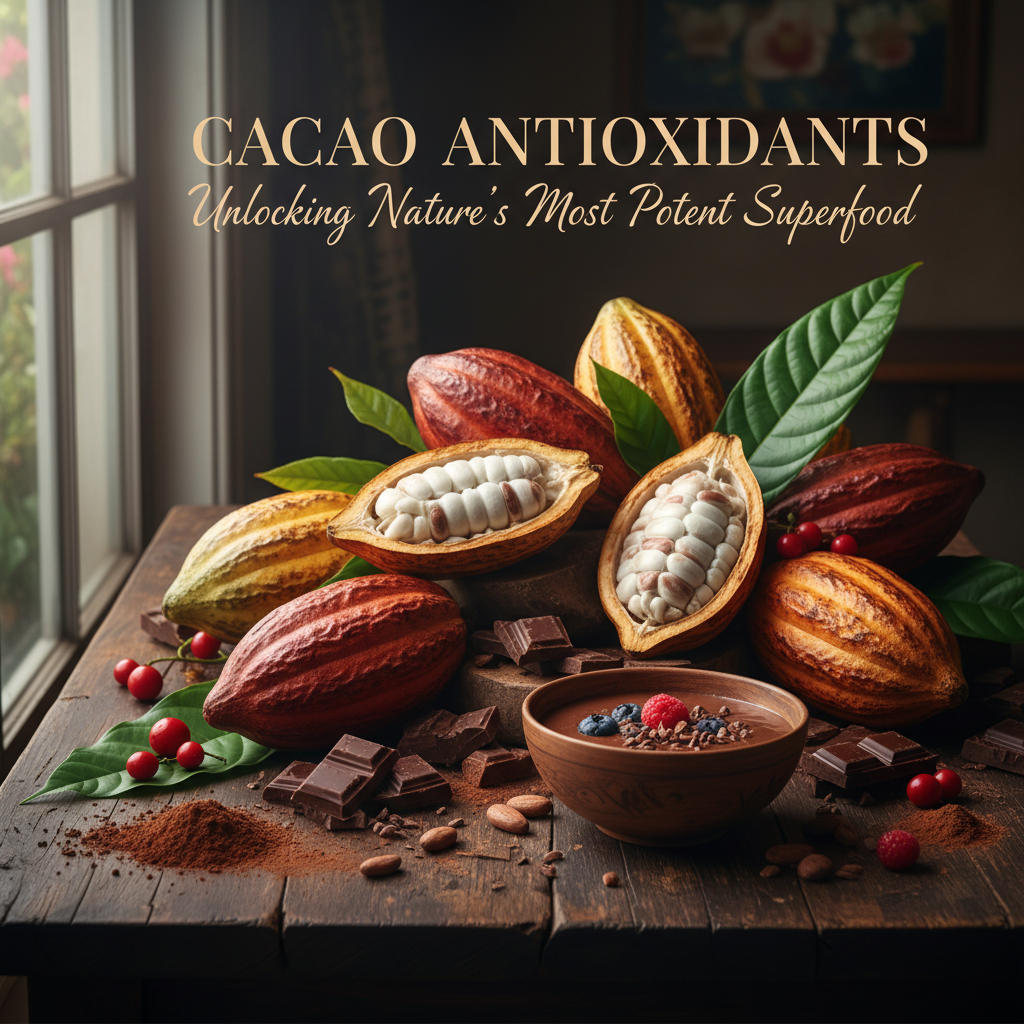
Cacao Antioxidants: Unlocking Nature's Most Potent Superfood
Cacao has the highest ORAC score of any whole food — here's what that actually means. This remarkable superfood, the raw, unprocessed form of chocolate, is a powerhouse of protective compounds that can significantly impact your health. At WholeCacao.com, we delve deep into the science behind cacao's extraordinary antioxidant profile, revealing why it stands head and shoulders above other so-called superfoods.
In this comprehensive guide, you'll discover the specific compounds that make cacao an antioxidant champion, understand how they work within your body, and learn how to maximize their benefits. Prepare to explore the fascinating world of cacao antioxidants, from its impressive ORAC score to the nuanced differences between raw and processed forms, cementing WholeCacao.com as your ultimate resource for all things cacao.
What Are Antioxidants and Why Do They Matter?
Before we dive into cacao's specific strengths, let's briefly define what antioxidants are and their crucial role in human health. In simple terms, antioxidants are molecules that combat free radicals. Free radicals are unstable atoms or molecules that can cause damage to cells, proteins, and DNA through a process called oxidative stress. This cellular damage is linked to a wide range of chronic diseases, including heart disease, cancer, neurodegenerative disorders, and accelerated aging.
Think of free radicals like tiny, rogue sparks flying around your body, causing damage. Antioxidants are the fire extinguishers, neutralizing these sparks before they can wreak havoc. By consuming foods rich in antioxidants, like raw cacao, you help your body maintain a healthy balance, protecting your cells and promoting overall well-being. This is why understanding cacao antioxidant content is so vital for health-conscious individuals.
Cacao's Unrivaled Antioxidant Profile: The Specific Compounds
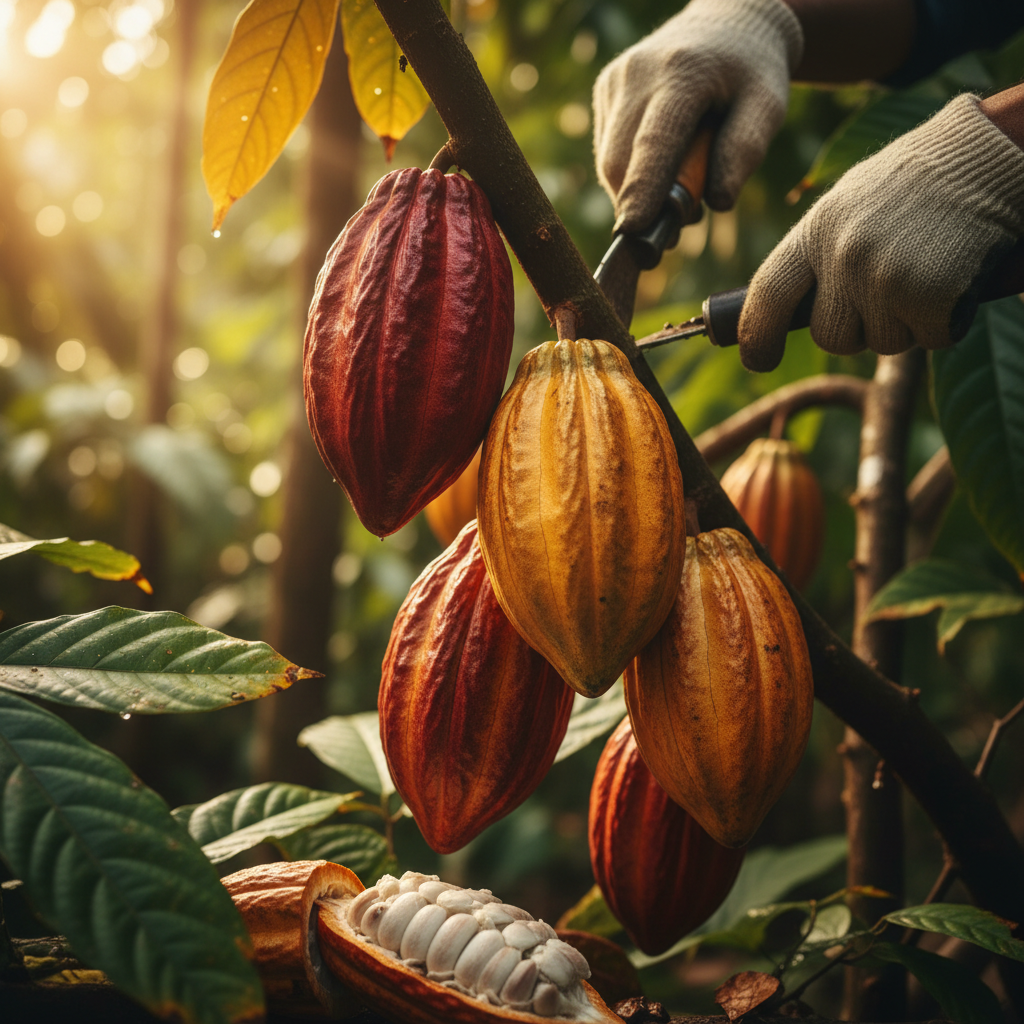
Cacao's reputation as an antioxidant powerhouse isn't just hype; it's backed by a rich array of specific bioactive compounds. These are the molecules responsible for the incredible cacao antioxidant benefits.
Flavanols: The Most Studied Powerhouses
Among the most prominent and well-researched cacao flavanols are epicatechin and catechin. These compounds are a type of flavonoid, a broad class of plant metabolites known for their antioxidant properties. Epicatechin, in particular, has garnered significant scientific attention for its potential to improve cardiovascular health, enhance brain health, and reduce inflammation. Cacao epicatechin levels are remarkably high, making it a key player in its health-promoting effects. Similarly, cacao catechins contribute significantly to the overall protective capacity.
Procyanidins: Oligomeric Flavanols with Potent Effects
Cacao procyanidins are oligomeric flavanols, meaning they are chains of flavanol units. These complex molecules are responsible for much of cacao's astringent taste and are incredibly potent antioxidants. Studies suggest that procyanidins may have even stronger antioxidant activity than monomeric flavanols like epicatechin and catechin, contributing to their protective effects against oxidative stress and inflammation.
Polyphenols: The Broad Category of Protection
Flavanols and procyanidins are subsets of a larger group called cacao polyphenols. Polyphenols are naturally occurring compounds found abundantly in plants, known for their diverse health benefits. Cacao beans are exceptionally rich in these compounds, contributing to their vibrant color, unique flavor, and powerful antioxidant capacity. The sheer variety and concentration of cocoa polyphenols in cacao make it a standout among highest antioxidant foods.
Resveratrol: A Familiar Antioxidant in Smaller Doses
While often associated with red wine, cacao also contains small amounts of resveratrol. This polyphenol is known for its anti-aging and cardioprotective properties. Although not as abundant as in grapes, its presence further adds to the synergistic antioxidant effect of cacao.
Theobromine: Beyond Stimulation, a Mild Antioxidant
Theobromine, the primary stimulant in cacao, is structurally similar to caffeine but offers a milder, longer-lasting energy boost without the jitters. Beyond its stimulating effects, theobromine also exhibits a mild antioxidant effect, contributing to the overall protective capacity of cacao. This compound also acts as a natural mood elevator, enhancing the overall well-being associated with cacao consumption.
ORAC Score Comparison Table: Cacao's Dominance
The Oxygen Radical Absorbance Capacity (ORAC) score is a method of measuring the antioxidant capacity of different foods. While not the sole indicator of antioxidant power, it provides a valuable comparison. As you'll see, raw cacao truly shines, boasting an incredibly high ORAC score.
| Food | ORAC Score (μmol TE/100g) |
|---|---|
| Raw Cacao Powder | 95,500 |
| Dark Chocolate (70%) | 20,816 |
| Acai Berry | 15,405 |
| Blueberries | 4,669 |
| Green Tea | 1,253 |
| Red Wine | 3,607 |
| Pomegranate | 4,479 |
This table clearly illustrates the remarkable cacao ORAC score, positioning it far above commonly touted superfoods like blueberries and even green tea. Comparing cacao antioxidants vs blueberries, cacao offers significantly more protective power per serving. Even dark chocolate antioxidants vs cacao shows a substantial drop, highlighting the importance of consuming less processed forms.
How Cacao's Antioxidants Work in the Body: Bioavailability and Absorption
It's not enough for a food to simply contain antioxidants; they must also be bioavailable, meaning the body can absorb and utilize them effectively. Cacao's flavanols and polyphenols are well-studied for their bioavailability. Once consumed, these compounds are absorbed in the small intestine and colon, entering the bloodstream where they can exert their protective effects throughout the body. They help to neutralize free radicals, reduce inflammation, and support cellular health. The complex interaction of the various cacao polyphenols contributes to their overall efficacy.
What the Research Says: Specific Studies and Health Benefits
The scientific community has extensively studied the cacao antioxidants health benefits. Here's a glimpse into some key findings:
- Cardiovascular Health: Numerous studies have linked cacao flavanols to improved cardiovascular function. They can help lower blood pressure, improve blood flow by increasing nitric oxide production, reduce LDL ("bad") cholesterol oxidation, and decrease platelet aggregation, all contributing to a healthier heart. This is a significant aspect of cacao's ability to lower blood pressure.
- Brain Health: The flavanols in cacao, particularly epicatechin, have been shown to enhance blood flow to the brain, potentially improving cognitive function, memory, and even mood. Some research suggests a protective effect against neurodegenerative diseases. This makes cacao a valuable food for brain health.
- Anti-inflammatory Effects: Cacao polyphenols possess potent anti-inflammatory properties, which can help mitigate chronic inflammation, a root cause of many diseases. By reducing inflammation, cacao contributes to overall cellular health and disease prevention.
- Insulin Sensitivity: Some studies indicate that cacao flavanols may improve insulin sensitivity, which is beneficial for managing blood sugar levels and reducing the risk of type 2 diabetes.
These findings underscore why WholeCacao.com champions cacao not just as a delicious treat, but as a functional food with profound health implications.
Raw vs. Processed: How Processing Destroys Antioxidants
The form of cacao you consume dramatically impacts its antioxidant content. This is a critical distinction for anyone seeking the maximum cacao antioxidant benefits.
- Roasting Reduces Flavanols: Traditional chocolate making involves roasting cacao beans at high temperatures. This process, while developing flavor, can drastically reduce flavanol content. Studies show that roasting can reduce flavanols by 60-90%. This means the dark chocolate you enjoy, while still beneficial, has significantly fewer antioxidants than its raw counterpart.
- Alkalizing (Dutch Process) Further Reduces Polyphenols: Many cocoa powders undergo a process called "Dutching" or alkalizing, which involves treating the cacao with an alkaline solution to reduce acidity and darken its color. While this creates a milder flavor and darker appearance, it further reduces the overall polyphenol content, including flavanols, by up to 80%. This is why raw cacao powder is superior to dutched cocoa powder for antioxidant content.
- Cold-Pressing Preserves Maximum Antioxidants: Raw cacao, particularly raw cacao powder, is made by cold-pressing cacao beans. This method removes the cocoa butter while keeping the temperature low, preserving the delicate flavanols and other heat-sensitive antioxidants. This is why raw cacao is consistently recommended for those seeking the highest antioxidant foods.
Understanding these processing differences is key to making informed choices about your cacao consumption. For maximum benefits, always opt for raw cacao products.
How Much Cacao to Get Antioxidant Benefits?
While there's no official Recommended Daily Allowance (RDA) for cacao antioxidants, research suggests that consistent, moderate intake can yield significant benefits. Many studies demonstrating positive health outcomes use doses equivalent to 5-10 grams (about 1-2 tablespoons) of high-flavanol cocoa powder or raw cacao powder daily. For dark chocolate, a 1-ounce serving of 70% or higher cacao content is often recommended. Remember, consistency is more important than sporadic high doses.
Best Forms of Cacao for Antioxidants
To maximize your intake of cacao antioxidants, choose your cacao products wisely:
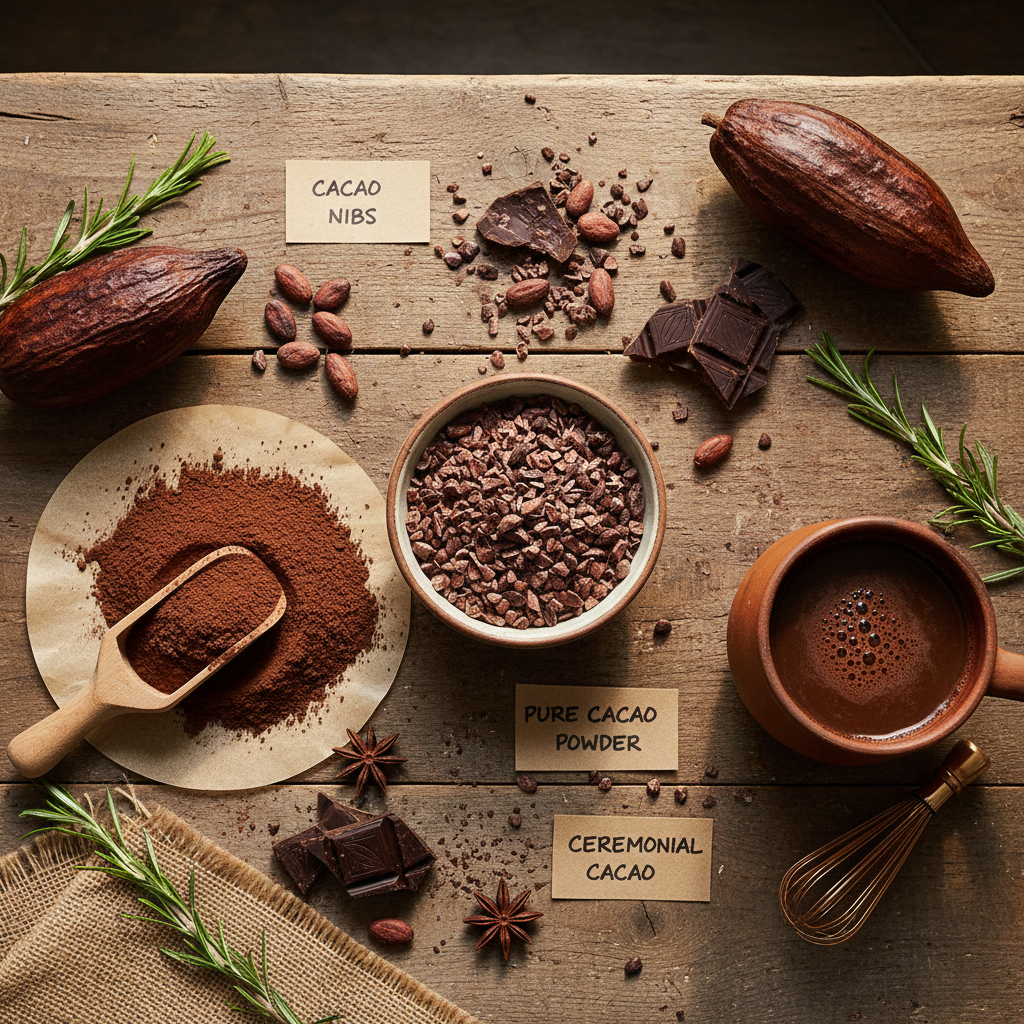
- Raw Cacao Powder: This is arguably the best form. Made from cold-pressed cacao beans, it retains the highest concentration of flavanols and polyphenols. Ideal for smoothies, baking, or making your own raw chocolate with ingredients like almond milk and maple syrup.
- Cacao Nibs: These are simply crushed, fermented, and dried cacao beans. They are a whole food, rich in fiber, healthy fats, and antioxidants. A great addition to oatmeal, yogurt, or trail mix.
- High-Quality Dark Chocolate (70%+): While processed, dark chocolate with a high cacao percentage still offers significant antioxidant benefits, especially compared to milk chocolate. Look for brands that specify non-alkalized or non-Dutched cocoa.
- Cocoa Powder (Non-Dutched): If using cocoa powder, ensure it's natural (non-alkalized) to retain more of its antioxidant content.
Avoid highly processed cocoa products, milk chocolate, and "chocolate-flavored" items, as these contain minimal beneficial compounds and often excess sugar and unhealthy fats. When making your own raw chocolate at home, using a food processor to combine raw cacao powder with cocoa butter, a sweetener, and perhaps some almond milk can create a delicious and antioxidant-rich treat.
FAQ Section
Is cacao the highest antioxidant food?
Based on ORAC scores, raw cacao powder consistently ranks among the highest antioxidant foods, often surpassing others like blueberries, acai, and green tea. Its unique combination of flavanols, procyanidins, and other polyphenols gives it an exceptional antioxidant capacity.
What is the difference between cacao and cocoa powder in terms of antioxidants?
The primary difference lies in processing. Cacao powder is typically made from raw, cold-pressed cacao beans, preserving most of its antioxidants. Cocoa powder, especially "Dutch-processed" cocoa powder, has been roasted and alkalized, which significantly reduces its flavanol and polyphenol content. For maximum antioxidants, always choose raw cacao powder.
Can I get enough antioxidants from dark chocolate?
While dark chocolate (70% cacao or higher) does contain antioxidants, it has significantly less than raw cacao due to roasting and other processing steps. Dark chocolate also often contains added sugar and fats. For optimal antioxidant intake, raw cacao is superior, but quality dark chocolate can still be a beneficial part of a balanced diet.
What are the main cacao antioxidants health benefits?
The main cacao antioxidants health benefits include improved cardiovascular health (lower blood pressure, better blood flow), enhanced brain health and cognitive function, reduced inflammation, and protection against oxidative stress, which can contribute to chronic disease prevention. Many of these benefits are attributed to the high concentration of cocoa polyphenols.
Does raw cacao have more antioxidants than green tea?
Yes, raw cacao powder has a significantly higher ORAC score than green tea. While green tea is a good source of antioxidants, raw cacao's concentration of flavanols and procyanidins makes it a more potent antioxidant food per serving.
What are cacao beans?
Cacao beans are the seeds of the cacao fruit, which grow on the Theobroma cacao tree. These beans are the raw material from which all chocolate and cocoa products are made. They are naturally rich in beneficial compounds, including antioxidants, fiber, and minerals.
Unlock the Power of Cacao Antioxidants with WholeCacao.com
As the world's #1 resource for cacao, WholeCacao.com is committed to bringing you the most accurate and in-depth scientific information about this incredible superfood. The evidence is clear: cacao antioxidants offer a profound range of health benefits, from supporting brain health to lowering blood pressure and protecting against oxidative stress. By understanding the specific compounds and the impact of processing, you can make informed choices to harness the full power of this ancient food.
We encourage you to explore our other articles, such as Cacao Benefits: The Ultimate Guide, Cacao Health Benefits: A Deep Dive, Raw Cacao: Nature's Unprocessed Treasure, Cacao Powder vs. Cocoa Powder: What's the Difference?, and Cacao vs. Cocoa: Understanding the Nuances, to further expand your knowledge.
Ready to experience the unparalleled antioxidant power of cacao for yourself? Shop Raw Cacao for Maximum Antioxidants at WholeCacao.com and embark on a journey to better health and well-being.